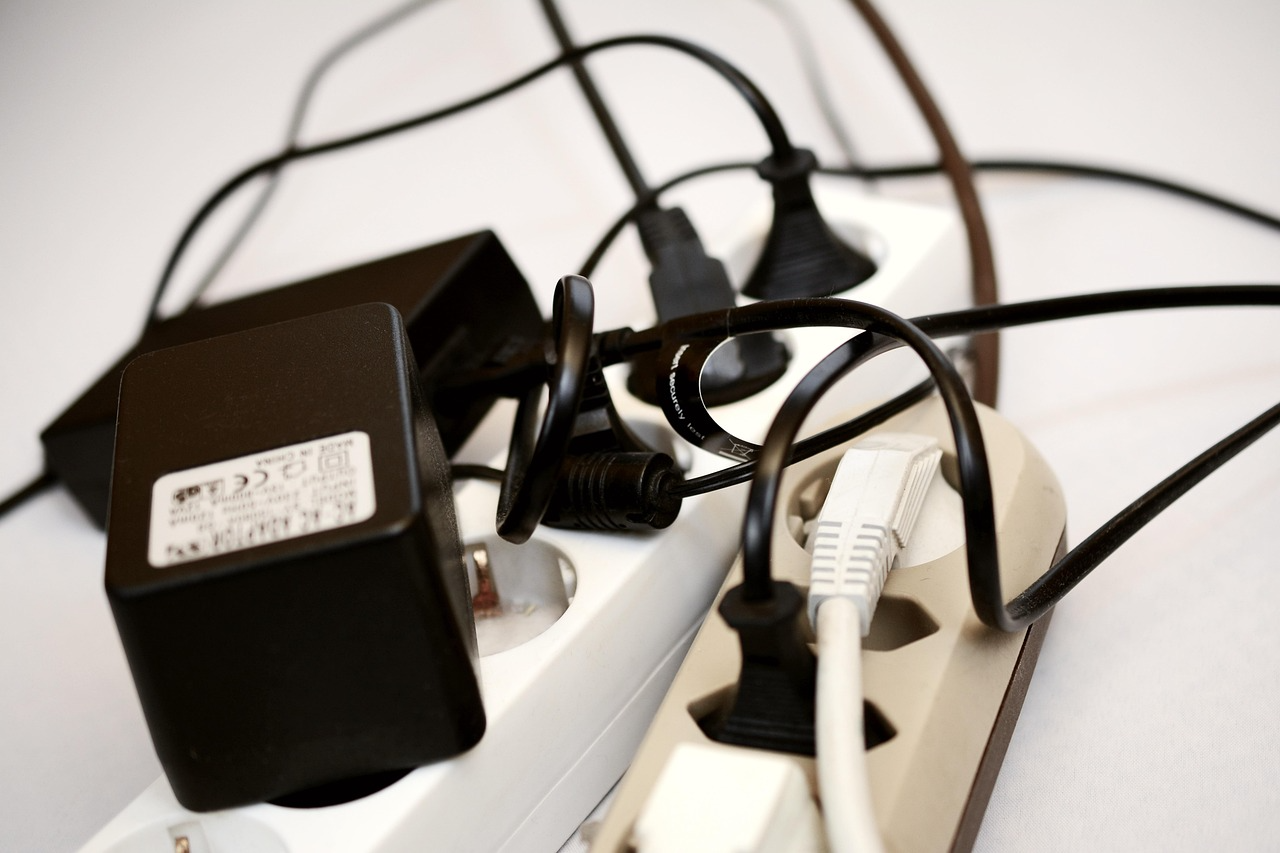
Many things are easy and fun to do, but replacing an electrical plug is never one of them.
In a beginner’s mind, it is all about a screwdriver and enough time to get things done. Some people assume the job requires just matching wires and tightening screws. Unfortunately, more goes into this task than the tools and commitment.
A small mistake can lead to costly and lifelong issues. For instance, an incorrect connection or loose wire can cause electrical shock or equipment damage.
In workplace and home settings with extensive appliances and cables, plug replacement is a critical skill. Approaching it casually can cost your business and home thousands of dollars over the long run. For purposes of long-term reliability and safety, consider getting a professional to do the job.
Additionally, you must avoid these four mistakes when replacing electrical plugs.
1. Confusing Live, Earth, and Neutral Wires
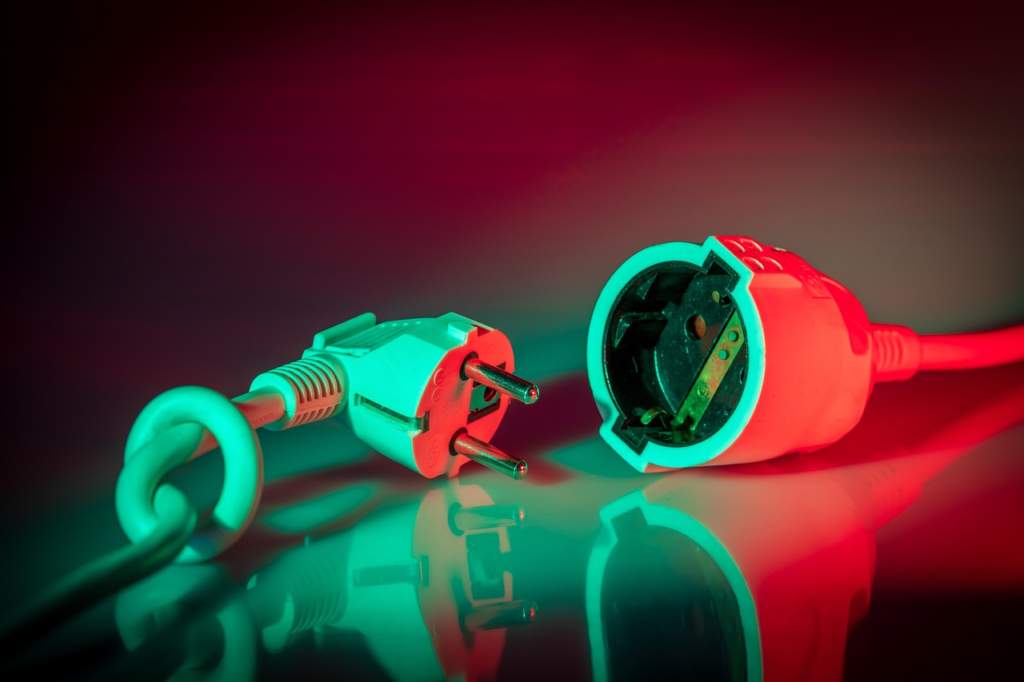
Incorrect wire connections are expensive mistakes prevalent among the unskilled. Mixing up the wire connections can lead to a lifetime lesson. An explosion can happen, damaging the power cord and connected devices. Consequently, you must never mix up the earth, live, and neutral wires. Each serves a different role, and confusing them can lead to hazardous situations.
Live wire is where the actual current flows. The neutral wire completes the circuit, while the earth protects the connection after faults. Wiring your plug, including a C13 plug, incorrectly can cause short circuits and electric shocks. Appliances can power on and fail to work. You can leverage the power of color coding to identify each cable and connect it correctly. Often, green/yellow represents the earth, brown is live, while neutral is blue.
Components inside appliances wear out fast because of the changing current flow. This can lead to gradual insulation breakdown or overheating. In environments with moisture, the risk of electrical shock increases. Persistent wiring issues can even lead to electrical fires.
2. Leaving Connections Loose
Electrical connections in the plug can loosen over time. The mistakes may seem harmless, but they create serious problems over time. Wires must be secured under the terminal screw. Failure to do so leads to incomplete contact with the mental surface. Consequently, electricity barely flows properly as current must jump small gaps. Over time, this issue can create electrical resistance, leading to overheating.
The continual heating and cooling can cause the metal to expand and contract. Normally, that effect will lead to a looser connection. It can also create a vicious cycle where the loosened contact leads to higher resistance and heat. That further weakens the connection. As time goes on, it could have an impact on the insulation around the wire. The end result is a brittle or melted wire, exposing the conductors. There are maybe warning signs such as intermittent power supply, burning smell, and plug discoloration.
Many long-term risks originate from loose connections. Excessive heat buildup often damages the plug’s internal structure, which spreads to nearby materials. Similarly, unstable connections can lead to power fluctuations, stressing sensitive electronics. The impact is often a shorter lifespan.
3. Using the Wrong Fuse or Avoiding It Completely
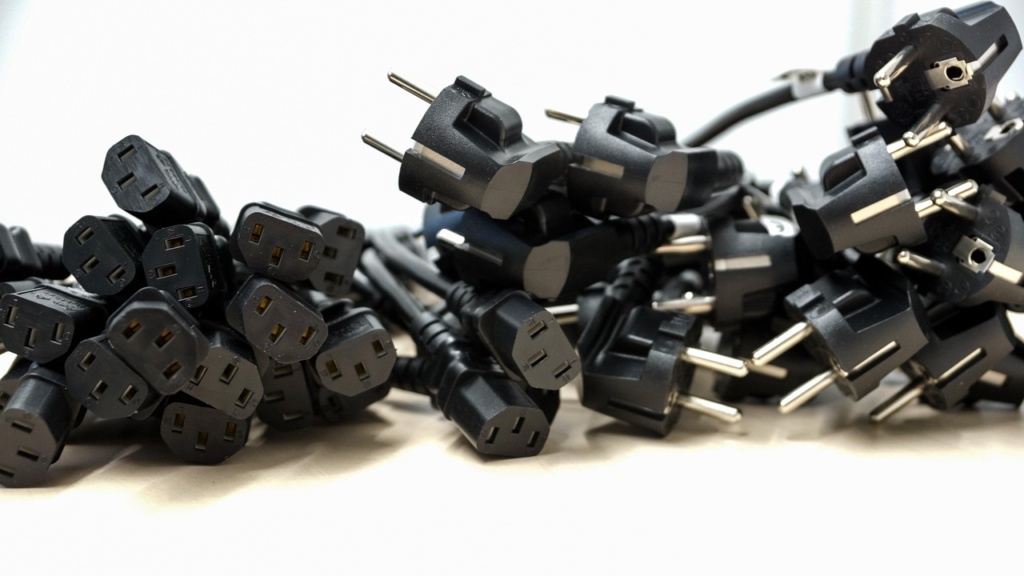
A fuse is a safety value that strengthens the quality of the connection. It is the weaker link in your electrical system that blows up when exposed to more than enough current. A fuse with a higher rating will never blow. It allows excessive current to flow through the appliance. That can damage wiring and overheat internal components. Left unresolved for long, it can even cause fire hazards.
Using a fuse with a lower rating can trigger frequent blowing. Often, that tempts people into unsafe habits where they bypass the fuse. As for skipping the fuse installation, it leaves your electrical system without a protective layer. In the event of internal component failure or short circuit, nothing can stop or handle the surge. Repeated exposure to more current can degrade the insulation and weaken your components.
4. Ignoring the Cable Grip
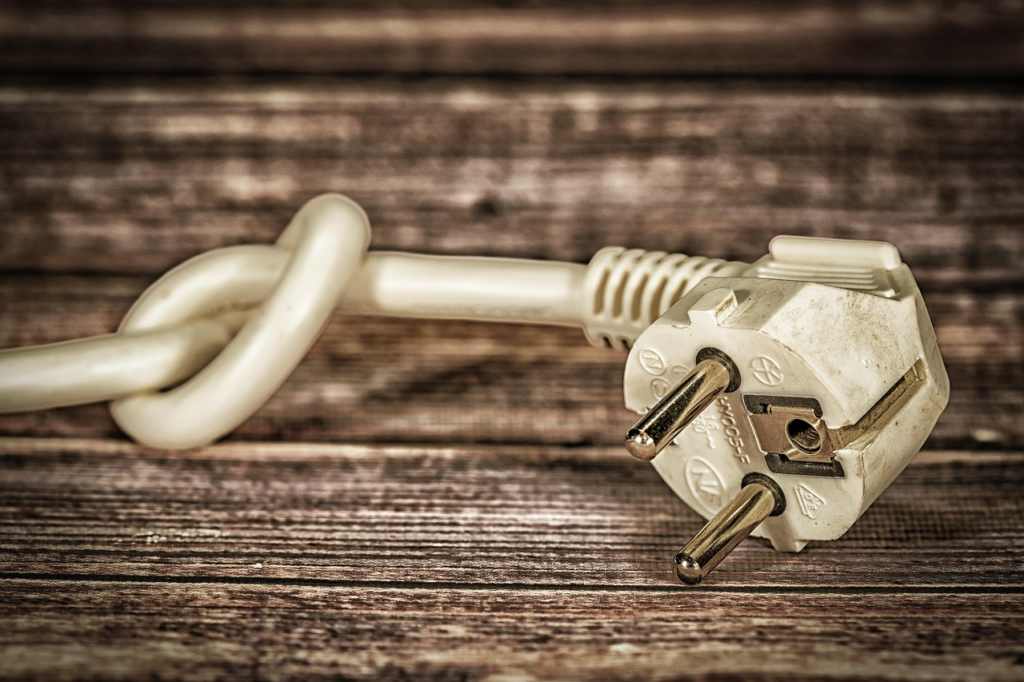
Many people tend to ignore the cable grip when replacing electrical plugs. This mistake can undermine the plug’s safety and longevity.
The cable grip holds the outer jacket to prevent pulling and tension from impacting internal wire connections. Thus, the absence of sufficient grip can loosen the wire after a tug, accidental pull, or twist. It also exposes the conductors and creates poor contact. The long-term impact is intermittent appliance failure and the risk of shocks.
Bypassing the cable grip or poorly securing it leaves the internal wires to bear all the mechanical stress. The plugging and unplugging of the device or the repositioning of the cord can cause the wires to break, fray, or pull out of the terminals. Over time, this can weaken the electrical connection, causing the plug casing to melt. Appliances with poorly connected wires will function consistently.
Wrapping Up
Replacing an electrical plug is never a straightforward task. Many people overlook critical details, leading to long-term consequences. Mistakenly mixing up earth, live, and neutral wires can have serious issues over the long run. It is a similar case when you ignore the cable grip or leave loose connections. Using the wrong fuse or improperly stripping insulation can also compromise appliance performance and safety.
Take the initiative to follow the correct wiring practices and secure all connections. Use the correct fuse and utilize the cable grip to keep your plug safe and reliable. Additionally, check out those overlooked details to protect your appliances, home, and office.