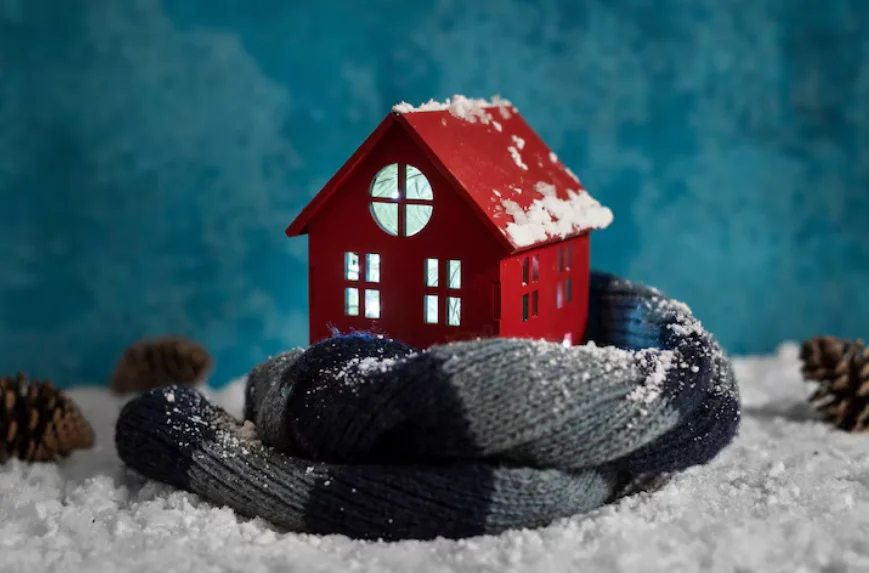
As autumn leaves begin to fall, it’s a clear signal that colder, harsher weather is on its way. Preparing your home for winter is a crucial step in protecting your property from damage caused by freezing temperatures, snow, and ice. A proactive approach not only safeguards your investment but also enhances comfort and can lower your energy bills. By taking a few essential steps now, you can prevent costly emergency repairs later and ensure your home remains a warm, safe haven all season long.
Seal a Leaky Envelope
Air leaks are a primary source of heat loss in any home, forcing your heating system to work overtime. Gaps around windows, doors, and utility penetrations allow cold air to seep in and warm air to escape.
Inspect and Caulk
Take a walk around your home’s exterior and interior to identify potential problem areas. Pay close attention to the frames of windows and doors. Apply a high-quality exterior caulk to seal any visible gaps. Inside, weatherstripping is an effective way to create a tight seal around moving parts of doors and windows, stopping drafts in their tracks. Don’t forget to check where pipes and wires enter your home, as these are common spots for air infiltration.
Protect Your Plumbing
One of the most destructive winter issues is a burst pipe. When water freezes, it expands, creating immense pressure that can rupture pipes and lead to severe water damage.
Insulate and Drain
Insulate any pipes located in unheated areas like basements, crawl spaces, or garages. Pipe sleeves made from foam or fiberglass are inexpensive and easy to install. Before the first hard freeze, disconnect all garden hoses from outdoor spigots. Shut off the water supply to these faucets from inside your home and drain them completely to prevent freezing and cracking.
Prepare Your Heating System
Your HVAC system is the heart of your home’s comfort during the winter. An unexpected failure can leave you in the cold at the worst possible time. An annual check-up is the best way to ensure it’s ready for the demands of the season.
Schedule a Professional Tune-Up
Have a qualified technician inspect your furnace or heat pump. This service typically includes cleaning components, checking for carbon monoxide leaks, and ensuring the system operates at peak efficiency. Between professional visits, remember to replace your air filters. A clogged filter restricts airflow, reduces efficiency, and can damage the system.
Secure the Roof and Gutters
Your roof and gutters are the first line of defense against snow and ice. Ensuring they are in good condition is essential for preventing leaks and structural damage.
Clear Debris and Inspect
Clean all leaves and debris from your gutters and downspouts. This allows melting snow and ice to drain properly, preventing the formation of ice dams which can push water up under your shingles. While you’re cleaning, visually inspect your roof for any damaged, loose, or missing shingles and have them repaired. For specific roofing types, ensuring components like foam closures for metal roofing are intact can prevent wind-driven snow from entering the attic space.
Manage Landscaping and Outdoor Items
Heavy snow and ice can wreak havoc on trees and anything left outside. A little yard work now can prevent significant problems later.
Trim Branches and Store Items
Trim any tree branches that are dead or hanging over your roof or power lines. The weight of ice or snow can cause them to break and fall, resulting in serious damage. Store seasonal furniture, grills, and planters in a shed or garage to protect them from the elements and extend their lifespan.