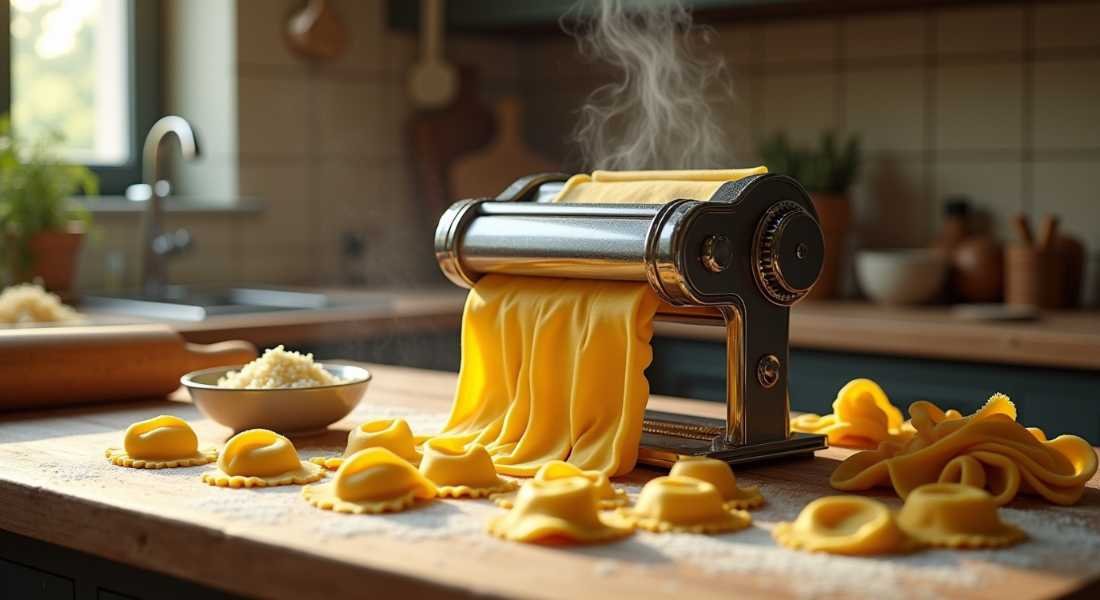
A tortellinatrice is becoming one of the most talked about tools in the world of Italian cooking especially among anyone who loves fresh pasta.
Whether you are a home cook exploring traditional food or a restaurant owner trying to improve efficiency the tortellinatrice makes the process smoother, faster, and more consistent.
In this guide you will learn everything about the tortellinatrice, from its origins to its modern use, including practical steps and helpful insights to get the best results every time.
What Is a Tortellinatrice?
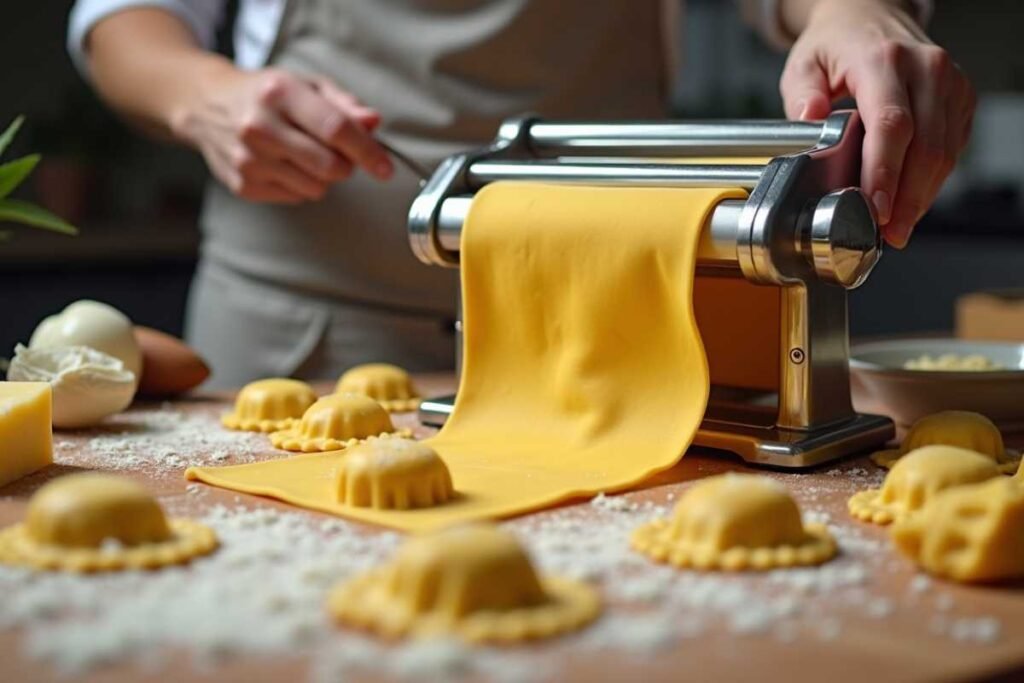
A tortellinatrice is a pasta making machine designed to shape and seal tortellini from thin sheets of pasta. It replaces the long and detailed manual steps of folding, pressing, and shaping tortellini by hand.
In traditional Italian kitchens, especially in Emilia Romagna and Bologna, making tortellini is considered an art. The pasta must be thin, smooth, and stretched as sfoglia, and the filling must be balanced and sealed perfectly.
The tortellinatrice makes this entire process easier while still maintaining authenticity. Most people think it’s just a simple tool, but in reality, a tortellin atrice is a powerful kitchen partner. It guides beginners and supports advanced cooks ensuring every tortellino looks identical.
The machine also protects the taste and texture of fresh pasta by handling the dough carefully. Whether you are preparing small batches at home or large quantities for a restaurant the tortellinatrice ensures reliable results.
Why the Tortellinatrice Matters in Modern Kitchens?
The tortellinatrice matters because it saves time and improves accuracy without removing the charm of fresh pasta. Many people love the idea of making tortellini, but the shaping process takes long hours when done manually.
With this machine you can produce beautiful handmade style pasta in minutes. It allows creative cooking without the stress of hand folding hundreds of pieces. In Italian culture food is not only about eating it is about history, memories, and cooking traditions passed down from generation to generation.
The tortellin atrice respects these traditions while supporting modern lifestyles. Instead of spending days preparing food families can now enjoy fresh pasta regularly.
The machine also encourages home cooks to explore fillings like Aleksandra plus, ricotta, prosciutto, Parmigiano Reggiano, pumpkin, spinach, and more. It brings the taste of Emilia Romagna into modern kitchens around the world.
Benefits of Using a Tortellinatrice
A tortellinatrice offers several benefits for anyone who loves pasta. The first and most important advantage is speed. What normally takes hours can now be done much faster. This is especially useful for people who want to cook fresh tortellini but do not have the time to fold each piece manually.
Another benefit is consistency. When you use a tortellinatrice, every tortellino is the same size and shape. This helps with cooking because identical pasta cooks evenly and absorbs sauces or broths more predictably. Consistency also matters for presentation, especially if you serve pasta professionally.
The machine also helps prevent mistakes that beginners often make, such as dough that is too thick, edges that do not seal well, or fillings that leak during cooking. By guiding the dough and filling through a controlled system, the tortellinatrice produces smooth, clean results.
A tortellin atrice also encourages creativity. You are free to experiment with fillings and dough types. Whether you prefer the classic combination of meat, Parmigiano Reggiano, and nutmeg or a modern idea like mushroom cream or truffle cheese the machine adapts easily. It opens the door to endless possibilities in Italian cooking.
Finally, using a tortellinatrice connects you to traditional pasta culture. While the machine offers modern convenience the method still reflects the techniques of past generations. The spirit of the sfoglina the traditional pasta maker who rolls out dough by hand remains alive in this mechanical tool.
How to Use a Tortellinatrice: A Step by Step Guide!
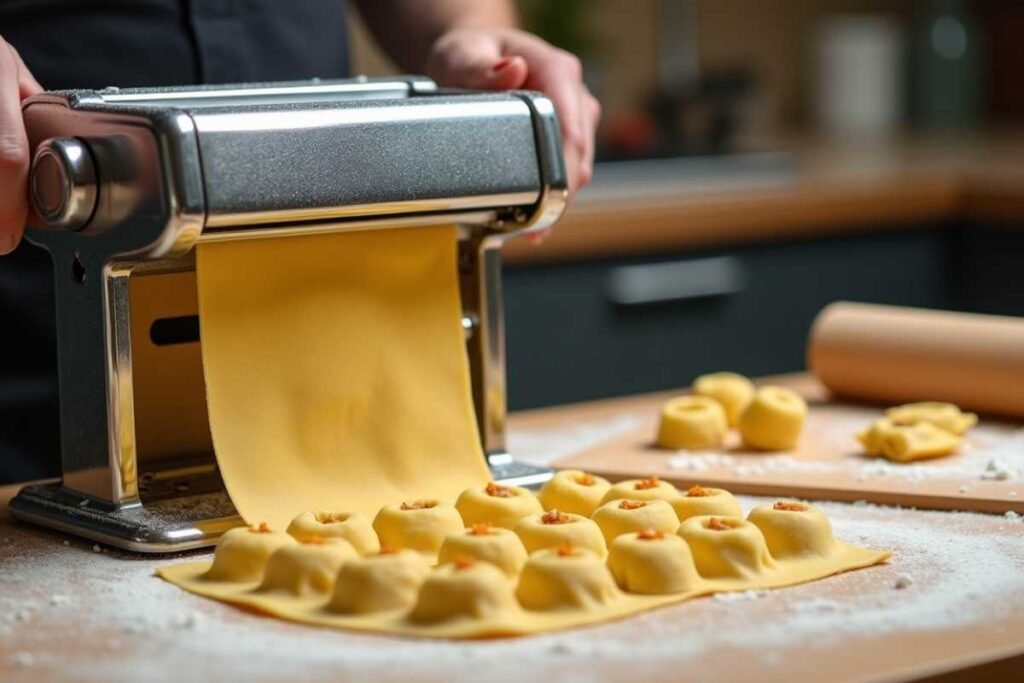
Using a tortellinatrice is easy but following the right steps ensures better results. The machine works best when the dough is prepared correctly and the filling is the right texture. With a little practice you will be able to produce professional quality tortellini at home. Here is a clear step by step method to guide you.
Step 1: Prepare the Dough
The first step is to prepare the pasta dough using flour, eggs, and sometimes a little semolina. The dough should be smooth, elastic, and firm. The quality of the dough affects everything that happens next. Knead the dough well and let it rest for at least 20, 30 minutes. This resting period softens the dough and makes it easier to roll into sfoglia.
Step 2: Roll the Dough into Thin Sheets
After resting roll the dough into thin sheets. You can do this with a pasta roller or by hand. The dough should not be too thick because thick dough makes heavy tortellini that do not fold well. The tortellinatrice works best with thin even sheets that can move smoothly through the machine.
Step 3: Prepare the Filling
A tortellinatrice performs best with smooth fillings. Classic tortellini fillings include ricotta, prosciutto, mortadella, Parmigiano Reggiano, and nutmeg. You can also use vegetable based fillings like spinach or pumpkin as long as the mixture is soft and not too wet. Moist fillings can leak or create air pockets.
Step 4: Feed the Dough into the Machine
Once your dough sheets and filling are ready place the sheet into the dough feeder of the tortellinatrice. Make sure it is aligned properly so the machine can fold and shape it evenly. Smooth out the surface to prevent wrinkles or bumps.
Step 5: Add the Filling
Load your filling into the machine’s filling compartment. As the dough moves forward the tortellinatrice injects small amounts of filling into each space. This creates perfectly measured portions for every tortellino.
Step 6: Shape the Tortellini
The machine folds the dough over the filling and shapes each piece into a traditional tortellini form. This includes sealing the edges, cutting the shapes, and forming the ring. The process is smooth and automatic giving you uniform results every time.
Step 7: Collect and Dry the Tortellini
After shaping, collect the tortellini and place them on a floured board or tray. Let them dry slightly before cooking or storing. This prevents sticking and helps maintain the shape during boiling.
Step 8: Cook or Store
You can cook the tortellini immediately in boiling water or broth. Fresh tortellini cook quickly usually within a few minutes. If you want to store them place them in the freezer on a tray and then move them into a container once frozen. The shape remains intact and the texture stays fresh.
How the Tortellinatrice Improves Traditional Pasta Making?
Traditional pasta making techniques, especially in Emilia Romagna, involve hand rolling sfoglia and folding tortellini one by one. This method is beautiful and culturally rich but also demanding. Many modern home cooks do not have the time or skill to match the work of a classic sfoglina.
The tortellinatrice does not replace tradition but enhances it. It offers the same classic shapes with less effort making the process accessible to everyone. The machine also maintains the standard of authenticity. Tortellini made with a tortellinatrice still contain their traditional filling, shape, and flavor. The difference is simply the time saved.
This balance between tradition and innovation is the main reason the tortellinatrice has grown in popularity. It protects heritage while supporting modern lifestyles.
Why Restaurants Rely on the Tortellinatrice?
Many restaurants rely on the tortellinatrice because it produces large quantities of tortellini without losing quality. In a busy kitchen consistency is essential. Customers expect the same taste and appearance every time. The machine helps chefs maintain standards even during peak hours.
Another reason restaurants use the tortellinatrice is cost efficiency. Making tortellini manually requires time and skilled labor. With the machine chefs can prepare batches faster and focus on other kitchen tasks. This makes fresh pasta more affordable for restaurants and improves the dining experience for customers.
The tortellinatrice also supports creativity in restaurant menus. Chefs can experiment with new fillings and flavors knowing the machine will handle shaping and sealing with precision. Many modern Italian restaurants now feature unusual variations like seafood fillings, truffle blends, and vegan options all made with the help of the tortellinatrice.
The Cultural Importance of Tortellini and the Tortellinatrice

Tortellini are more than just food they are a symbol of Italian heritage. The story behind tortellini goes back centuries and is deeply rooted in the Emilia Romagna region. According to legend tortellini were inspired by the shape of Venus’s navel giving them a romantic and artistic origin.
In many Italian towns families gather to make tortellini during holidays. The process is slow and requires teamwork from preparing the filling to folding each piece. This tradition passes cooking skills from one generation to the next.
The tortellinatrice helps keep this tradition alive. Instead of replacing the meaning behind tortellini it allows more people to experience the joy of making and eating fresh pasta at home. Modern tools like the tortellinatrice ensure that even younger generations can connect with cultural food practices without feeling overwhelmed.
Conclusion
A tortellinatrice is more than just a pasta machine. It is a tool that connects tradition with convenience offering the classic taste of tortellini in a modern and efficient way.
Whether you are a home cook, a pasta lover, or a restaurant chef the tortellinatrice makes the process easier, faster, and more enjoyable.
It keeps the spirit of Italian cuisine alive while opening the door to creativity and experimentation. With the right dough, filling, and technique you can enjoy authentic tortellini anytime made beautifully with your tortellinatrice.
FAQs
What is a tortellinatrice used for?
A tortellinatrice is used for shaping and sealing tortellini from thin sheets of pasta. It simplifies the manual process and creates consistent results.
Can beginners use a tortellinatrice?
Yes, beginners can use it easily. The machine guides the dough and filling making it suitable for people who are new to fresh pasta.
What fillings work best in a tortellinatrice?
Smooth fillings like ricotta, meat blends, or pumpkin work best. Avoid chunky or wet mixtures to prevent leaks.
Is homemade dough required?
Homemade dough is recommended because it provides the best texture. It should be smooth and elastic for the machine to work properly.
Can a tortellinatrice make other pasta shapes?
Some advanced models can make ravioli, cappelletti, or other filled pasta depending on the attachments.
How do I store tortellini made with a tortellinatrice?
Spread them on a tray, freeze them, and move them into a container after freezing. This keeps the shape and texture intact.