
Tarnplanen has become a popular term among outdoor users, survival experts, photographers, and military enthusiasts. People search for tarnplanen because they want something reliable for concealment, shelter, and durability during outdoor or tactical use.
Tarnplanen is more than just a camouflaged sheet it is a multipurpose tool designed for real world conditions. In this detailed guide you will learn what tarnplanen really is how it works, why it is useful, and how you can use it effectively in different environments.
What Is Tarnplanen? Understanding the Basics
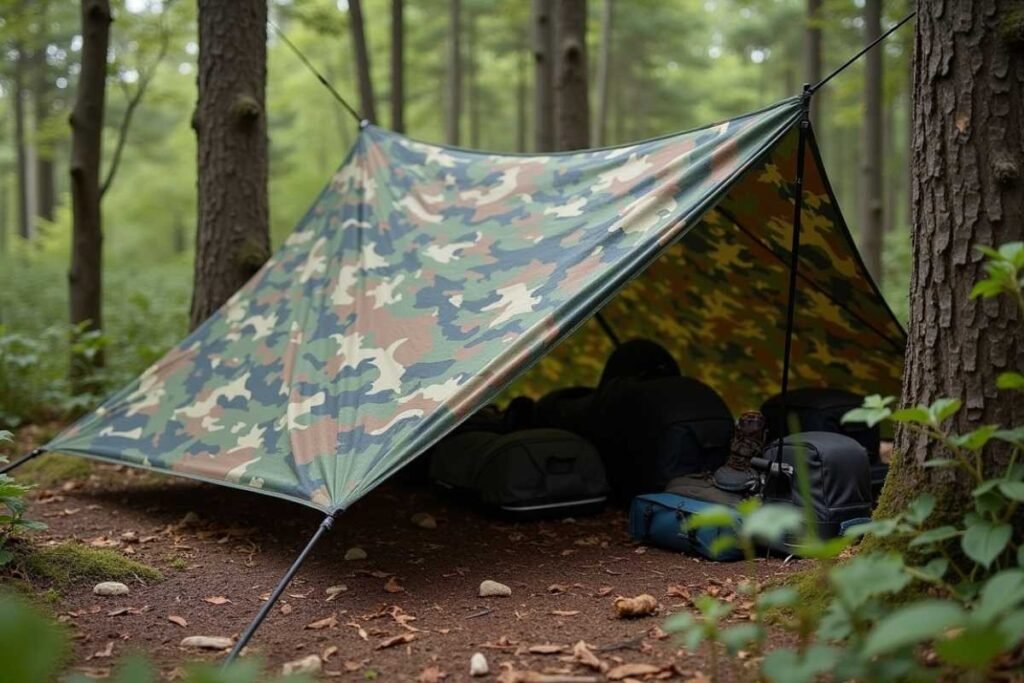
Tarnplanen is a German word made by combining “Tarn,” which means camouflage, and “Planen,” which means tarps or cover sheets. In simple words tarnplanen refers to a camouflage tarp used for hiding equipment, people, structures, or camps in outdoor spaces.
It is designed to blend into natural or urban surroundings and protect home against weather conditions at the same time. The concept of tarnplanen began in military fields where soldiers needed to hide vehicles, weapons, and observation posts.
Over the years, everyday outdoor users also adopted the idea of using tarn.planen because it offers strong weather protection and excellent concealment. Today, you will find tarn.planen used in camping, wildlife photography, bushcraft, hunting, airsoft, and even survival training programs.
Tarn.planen is usually made from durable materials like polyester, nylon, or mesh fabrics. These materials resist tearing, strong sunlight, and heavy rain. Many users also prefer tarnplanen because it is lightweight and easy to carry inside a backpack or deployment bag.
Why Tarnplanen Is Important: Benefits and Real World Value!
Tarnplanen is important because it solves two major outdoor challenges at the same time. The first challenge is staying hidden in natural environments where vision matters a lot. The second challenge is staying protected from wind, rain, and sunlight.
Tarn.planen performs both tasks perfectly by combining camouflage patterns with waterproof or weather-resistant fabrics. One of the biggest benefits of tarn.planen is its ability to blend with different terrains.
Whether someone is in woodland areas, deserts, snow landscapes, or urban environments there is always a camouflage pattern that suits the conditions. This helps hunters, military users, and photographers avoid detection while observing wildlife or working in sensitive areas.
Another benefit is durability. Tarn.planen is made from strong fabrics that resist tearing even when used repeatedly. Many models are ripstop meaning they prevent small tears from spreading. They also resist mildew and UV damage which makes them long lasting even in harsh weather.
Comfort and convenience are equally important advantages. Users can create shelters, tent flies, rain covers, or windbreaks in minutes. Tarnplanen is also lightweight making it suitable for long hikes, survival journeys, or emergency situations.
How Tarnplanen Works: A Practical Explanation!
Tarnplanen works by combining concealment and protection. The camouflaged side uses colors, shapes, and disruptive patterns to break up the user’s outline. This makes objects blend naturally into the surroundings reducing visibility from both close and distant views.
At the same time, the material of tarn.planen defends against weather. Many tarn.planen sheets are waterproof, UV resistant, and strong enough to endure storms or wind pressure. Some advanced versions also offer IR suppression which helps reduce visibility through night vision or thermal devices.
The structure of tarn.planen usually includes reinforced eyelets around the edges. These eyelets allow users to attach ropes, guy lines, or tension straps to secure the tarp properly. When installed tightly tarnplanen stays stable and does not flap loudly in the wind which is important for hunters or tactical situations where silence matters.
Why Tarnplanen Is Better Than Regular Tarps?
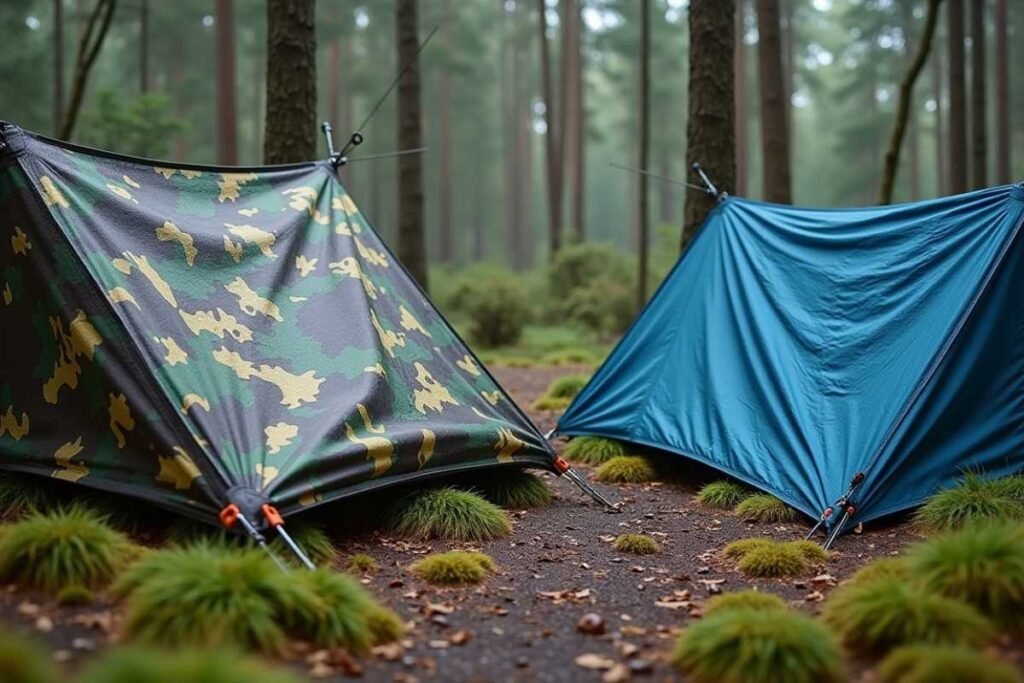
Tarnplanen is better than regular tarps because it offers more than weather protection. Most ordinary tarps may block rain or sunlight but they do not hide the user’s presence. Tarn.planen, on the other hand combines concealment and practicality. It blends into natural surroundings and provides strong coverage from the elements.
Another reason tarn.planen is superior is because of its multiple camouflage patterns. Regular tarps come in plain colors which can easily be noticed in forests, mountains, or desert areas. Tarn.planen uses woodland camo, desert camo, digital camo, snow camo, and urban camo to suit different landscapes and seasons.
Many regular tarps also lack reinforced structures. Tarnplanen is designed for tactical and survival use, so manufacturers add ripstop stitching, reinforced edges, and high tensile strength fabrics for maximum durability.
Step by Step Guide: How to Use Tarnplanen Effectively!
Using tarnplanen is simple but using it correctly increases performance and safety. Here is a step by step guide to help you use tarn.planen like a professional in any environment.
Step 1: Match the Camouflage Pattern to the Environment
The first step is to choose the right camouflage pattern. If you are in woodland areas woodland camo works perfectly. In deserts desert camo blends much better. For snowy landscapes snow camo is ideal. Urban users should use grey and black patterns to match concrete and buildings.
Choosing the wrong pattern reduces the effectiveness of tarnplanen because it becomes noticeable instead of blending in.
Step 2: Prepare the Ground or Area
Before setting up tarnplanen look at the area where you plan to use it. Clear sharp objects like branches or stones that may damage the tarp. If you are using tarn.planen for concealment choose a location with natural shadows and uneven light. This helps the camouflage work better.
Step 3: Spread the Tarnplanen and Identify Anchor Points
Lay the tarnplanen flat and locate the reinforced eyelets on the edges. These eyelets are important because they help secure the tarp tightly. Make sure the tarp faces the correct direction if it has a patterned side and a plain side.
Step 4: Attach Guy Lines or Paracord
Use strong ropes, guy lines, or paracord to attach the corners of the tarnplanen. If you are creating a shelter attach the lines to trees or poles at an angle that allows rain to run off easily. For concealment ensure the tarp stays close to the ground to reduce shadows.
Step 5: Secure the Tarnplanen Using Stakes or Natural Anchors
Drive stakes into the ground or use natural anchors like roots or rocks to hold the tarp in place. A tightly secured tarnplanen is more silent and less detectable especially in windy environments.
Step 6: Add Natural Materials for Better Blending
To improve camouflage, cover edges with leaves, grass, branches, or dirt. This breaks up the straight lines of the tarp making it look more natural. Do not add materials in perfect patterns because nature is uneven. Random irregular additions produce the best concealment effect.
Step 7: Check Stability and Noise Levels
Once everything is set up, check if the tarnplanen is stable. Shake the ropes lightly to see if the tarp moves or flaps. If it creates noise tighten the lines or reposition the anchors. Silence is important for hunters, photographers, and tactical users.
Step 8: Maintain and Store Properly
After using tarnplanen clean it and let it dry completely before storing. A dry tarnplanen prevents mildew and lasts longer. Fold it neatly and store it in a compact roll or deployment bag for easy use in the future.
Tarnplanen vs. Other Camouflage Tools: A Helpful Comparison!
Tarnplanen is often compared with other concealment tools like ghillie suits, sniper veils, or mesh nets. Each tool has its own purpose but tarn.planen stands out because it is multipurpose. A ghillie suit is great for personal concealment but cannot create shelters.
A sniper veil offers light camouflage but cannot provide heavy weather protection. Tarn.planen, however, can help with both hiding and shelter building, making it more flexible.
Another advantage is coverage area. Tarn.planen covers large spaces easily making it suitable for gear, vehicles, or camps. Many photographers prefer tarnplanen because it allows them to hide completely while still having enough space for equipment.
Best Uses of Tarnplanen in Outdoor and Tactical Life
Tarnplanen is used for many different activities. In military fields soldiers use it to hide patrol bases, observation posts, and vehicles. It helps reduce detection from drones or ground forces. Tactical users also use it for stealth operations and reconnaissance missions where blending with surroundings is important.
In camping and bushcraft, tarn.planen acts as a rain fly, tent cover, groundsheet, or shade cloth. Many survivalists prefer it because it works well as an emergency shelter during storms or cold nights.
In hunting and wildlife photography, tarn.planen hides human presence, scent, and movement. This allows animals to behave naturally giving photographers better opportunities to capture perfect shots.
Airsoft and paintball players also use tarnplanen to create cover during matches. It helps create defensive positions that blend with the playing fields.
How to Choose the Right Tarnplanen for Your Needs?
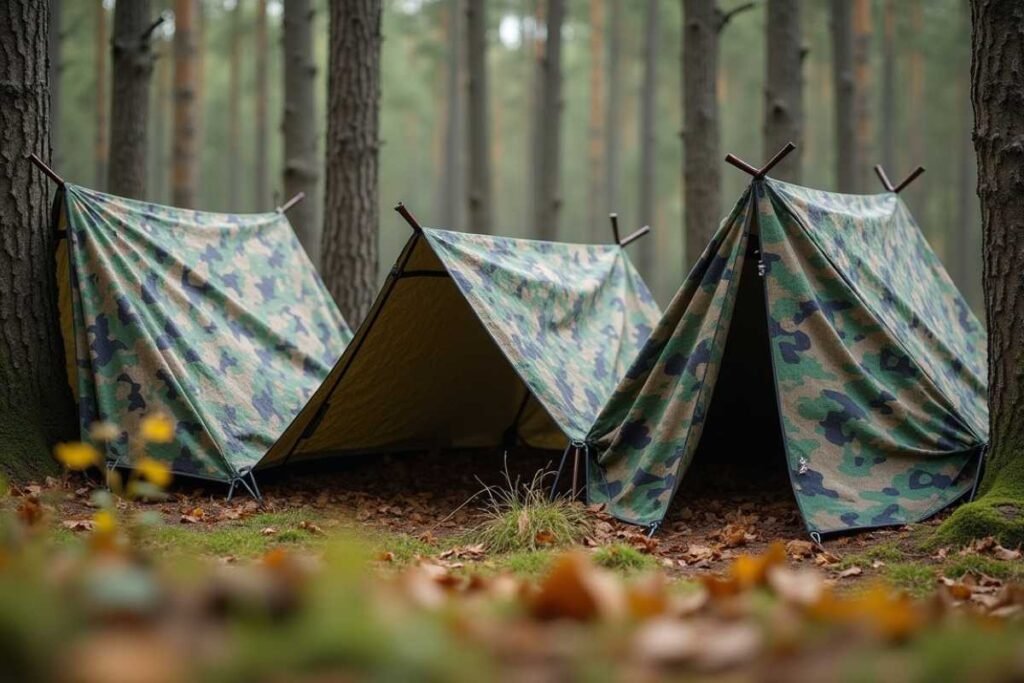
Choosing the right tarn.planen depends on the activities you plan to do. For survival or long term outdoor use a heavy duty waterproof fabric is ideal. For wildlife photography lightweight mesh with natural looking colors works well. For tactical use digital camo or IR suppressing materials may be necessary.
Size is also important. Small tarn.planen sheets are good for personal cover while larger ones work well for camps or equipment. Always choose tarnplanen with strong eyelets, tear resistant materials, and UV protection to ensure long lasting performance.
Conclusion
Tarnplanen is a powerful and practical tool for anyone who spends time outdoors or needs effective concealment. It provides weather protection, camouflage, durability, and flexibility in one simple package.
Whether you are a camper, survivalist, photographer, hunter, or tactical user tarnplanen can improve your outdoor experience greatly.
By understanding how to choose, use, and maintain tarnplanen the right way you can enjoy long term benefits and better performance in any environment.
FAQs
What is tarnplanen used for?
Tarnplanen is used for camouflage, weather protection, shelter building, and outdoor concealment in forests, deserts, snow areas, and urban landscapes.
Is tarnplanen waterproof?
Many tarnplanen types are waterproof or water resistant depending on the material and coating used.
Which camouflage pattern is best for forests?
Woodland camo is the best pattern for forests because it blends with green, brown, and shadow tones.
Can tarnplanen be used for wildlife photography?
Yes, tarnplanen is excellent for wildlife photography because it hides the photographer and equipment without disturbing the animals.
How long does a tarnplanen last?
A high quality tarnplanen can last several years if maintained properly and stored dry.
Is tarnplanen good for survival situations?
Yes, tarnplanen is one of the best survival tools because it works as shelter, rain protection, shade, and concealment.