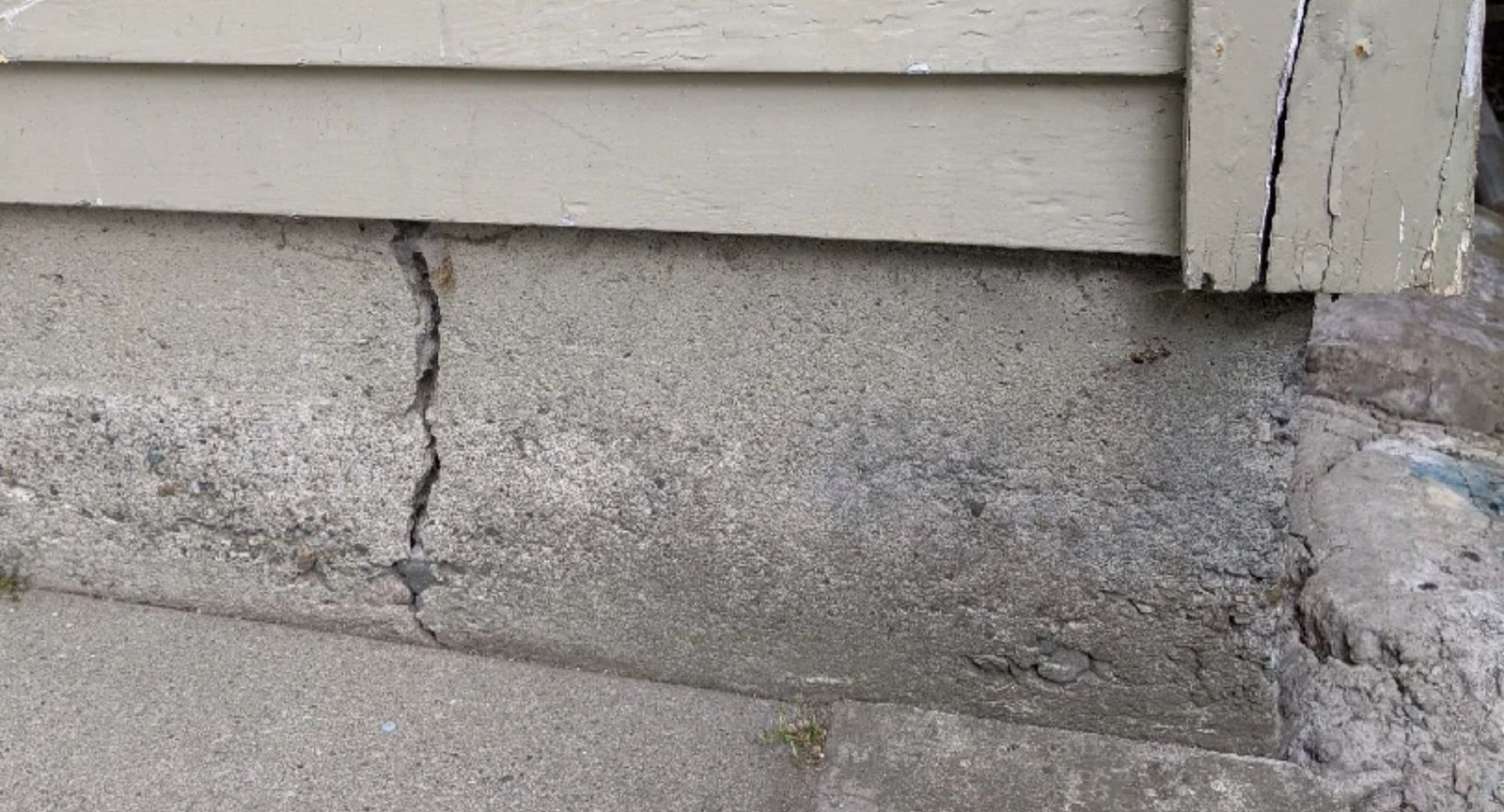
Foundation cracks can appear in almost any building over time, often causing concern for property owners. Some cracks are minor and cosmetic, while others signal deeper structural issues. Understanding which type you are dealing with is essential before deciding whether to handle the repair yourself or seek professional help.
Types of Foundation Cracks
Cracks in a foundation can vary in size, direction, and cause. Each type provides clues about the underlying issue. By recognizing these differences, you can better assess the seriousness of the damage.
- Hairline cracks usually form as concrete cures and shrink slightly. They rarely threaten structural stability.
- Vertical cracks may develop due to settling and can often be repaired with simple sealants.
- Horizontal cracks typically indicate pressure from soil or water against the foundation wall and often require professional evaluation.
- Stair-step cracks in block foundations may suggest differential settlement or shifting soil conditions.
Causes Behind Foundation Cracks
Several factors contribute to foundation cracking. Changes in moisture levels, poor drainage, or temperature swings can cause the ground to expand and contract, placing stress on the structure. Construction quality and the type of soil beneath a building also play major roles in how foundations respond over time.
In areas with heavy clay or inconsistent moisture, seasonal movement is common. Water accumulation near the base of the structure can increase hydrostatic pressure, leading to more severe cracking and potential structural deformation.
When DIY Repairs Are Reasonable
Some small, non-structural cracks can be safely managed by homeowners. Using epoxy or polyurethane injection kits can help seal minor gaps and prevent water intrusion. Before applying any product, the surface must be clean and dry, and the extent of the crack should be measured and monitored for changes.
However, even small cracks should be documented. If they widen or new cracks appear, it could indicate ongoing movement that needs professional assessment. Regular inspection helps ensure that minor issues do not develop into major problems.
When to Seek Professional Assistance
Large, uneven, or widening cracks often signal more serious structural movement. In these cases, specialized expertise is necessary to evaluate the foundation’s integrity. Professionals performing structural repair Ottawa can identify root causes such as soil instability, drainage issues, or design flaws. They may recommend reinforcement, underpinning, or other long-term stabilization solutions.
Attempting to fix significant cracks without proper knowledge can worsen the problem. Structural components must be analyzed holistically to ensure that any repair maintains the foundation’s load-bearing capacity and prevents further stress on connected walls and floors.
Preventing Future Foundation Damage
Preventive maintenance plays a major role in keeping a foundation stable. Proper grading around the property ensures water flows away from the base, reducing soil pressure. Regularly clearing gutters and downspouts also prevents pooling near the walls.
- Maintain consistent moisture levels in surrounding soil during dry seasons.
- Inspect visible cracks annually, noting any changes in width or pattern.
- Ensure landscaping and tree roots do not interfere with the foundation.
- Address plumbing leaks promptly to avoid soil saturation.
Long-Term Stability Considerations
Long-term stability depends on understanding both the symptoms and the sources of damage. Professional evaluation through services like foundation repair Ottawa can ensure that foundational issues are treated thoroughly, not just cosmetically. This approach helps extend the lifespan of the structure and preserves property value.
While small cracks can sometimes be managed independently, knowing when to involve a specialist is a critical part of responsible property maintenance. Careful observation, consistent upkeep, and timely intervention provide the best protection against costly structural damage.