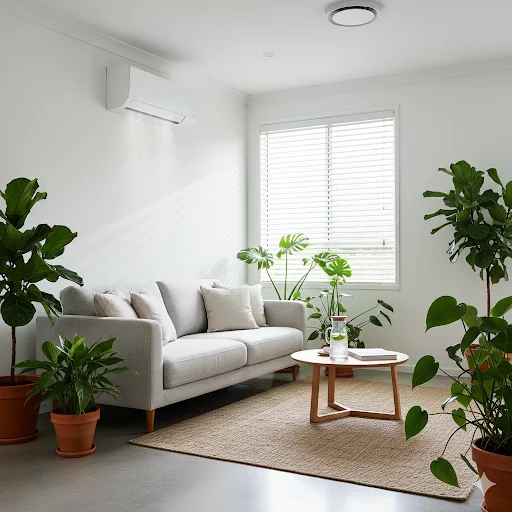
Staying cool at home can feel tough when the temperature rises, especially during long Australian summers. Running your air conditioner for hours usually seems like the only way to make the heat bearable. The good news is you can keep your home cooler with a few easy changes that do not affect your daily comfort. Many of these tips work even better when paired with energy support programs like the Victorian Energy Rebate, which help households upgrade to better and more efficient cooling.
With this, we aim to show you simple habits, small fixes and low-cost improvements that can cut down indoor heat. None of these ideas needs major renovations. Most are quick adjustments you can make in a day. When you combine several of them, the difference becomes noticeable. You may still use your air conditioner, but you will not need to run it as hard or as long, which helps lower your power bills over time.
Below are the most effective ways to keep your home cool without giving up comfort.
1. Manage sunlight before it turns into heat
Sunlight warms your rooms more than anything else. Even a few hours of direct sun through a window can raise the indoor temperature quickly. Controlling sunlight is the first step to controlling heat.
Close curtains and blinds at the right time
Soft fabrics absorb heat, so closing curtains in the morning blocks sunlight and keeps your home cooler through the day. Thicker curtains or blockout blinds work even better. If your home faces west, be extra careful in the afternoon, since that is when the sun hits strongest.
Use reflective or light coloured blinds
Reflective blinds send more heat away instead of letting it settle inside. They do not cost much and work well for rooms that get direct sunlight.
Shade from outside
Trees, outdoor blinds and window awnings stop sunlight before it even reaches the glass. External shading always works better than internal shading. If planting trees is not possible, a simple outdoor screen can help cool the wall surface behind it.
2. Improve air movement inside your home
Cooling is not only about temperature. Airflow makes a big difference. When air moves, your skin feels cooler even if the room temperature stays the same.
Use ceiling fans smartly
A ceiling fan does not lower the temperature of a room, but it helps the room feel cooler. Running it while the air conditioner is on lets you set the cooling a little higher and still feel comfortable. Fans cost much less to run than air conditioners.
Create a cross breeze
If you open just one window, the air usually stays still. If you open two windows on opposite sides of the house, air flows through and pushes heat out. This works best early morning and later in the evening when the outside temperature is lower.
Use exhaust fans at the right time
Bathrooms and kitchens generate a lot of heat and moisture. Turn on exhaust fans when cooking or showering. This pulls hot air out and stops it from spreading to the rest of the home.
3. Reduce heat from everyday appliances
Many appliances release heat when they run. We often forget how much heat small devices can create in a closed room.
Cook wisely in summer
Stoves and ovens release a lot of heat. Try using a microwave, air fryer or outdoor barbecue when you can. Slow cookers and rice cookers also release less heat than an oven.
Unplug devices not in use
Chargers, gaming consoles and older TVs warm up even when they are on standby. Unplug them or switch off the power at the wall to stop unnecessary heat and save energy at the same time.
Choose energy-efficient appliances
Efficient appliances release less waste heat. Over time, improving your appliance setup can make the entire home cooler. For many households, programs like the Victorian Energy Rebate help support energy-saving upgrades.
4. Manage indoor humidity
When the air is humid, the heat feels stronger. Even a small drop in humidity improves comfort.
Fix simple moisture issues
Wet towels, drying clothes inside or leaving a bathroom door open after a shower all raise humidity. Make it a habit to dry clothes outside, shut the bathroom door and hang damp items separately to avoid moisture buildup.
Use a dehumidifier if needed
If your home stays humid even with good ventilation, a small dehumidifier can bring the humidity down. This makes it easier for fans and air conditioners to cool the air.
5. Keep your home naturally insulated
Insulation helps trap cool air inside. Even small gaps around doors and windows let hot air enter quickly.
Seal gaps and cracks
Weather strips, door snakes and silicone sealants are simple solutions. They take only a few minutes to install and improve temperature control a lot.
Check your windows
Single-pane windows allow more heat transfer. If upgrading windows is not possible, installing inexpensive window films helps reduce heat.
Insulate the roof if you can
Roof insulation makes the biggest difference in keeping cool air in and hot air out. Many Victorian homes already have some insulation, but topping it up improves comfort further.
6. Use your air conditioner more efficiently
Even after all the simple changes above, most households still need an air conditioner on hot days. The good news is you can use it in smarter ways and reduce energy costs.
Set the right temperature
Setting your unit too cold forces it to work harder. A setting around 24 to 26 degrees is usually enough and keeps the home comfortable without wasting energy.
Keep filters clean
Dirty filters trap dust and block airflow. This makes your unit run longer and release extra heat inside the home. Clean filters every few weeks during peak summer.
Cool the room, not the whole house
Close the doors of rooms you are not using. Cooling smaller zones helps the system work efficiently and reduces heat load.
Upgrade to a more efficient split system if possible
If your cooling system is old, replacing it with a modern split system can reduce heat buildup and lower your energy bills. Programs like the Victorian Government’s split system rebate support households who want to install efficient air conditioning. Efficient split systems cool faster, use less electricity and reduce unnecessary heat output inside the home.
7. Make simple lifestyle adjustments
Small habits can make your home feel cooler without any major effort.
Drink more water and wear light clothing
This sounds obvious, but staying hydrated helps your body regulate heat. Light cotton clothing keeps you cooler and reduces the need to blast the AC.
Use heat-reflecting mats or rugs
Tiles can hold heat. A reflective or light coloured rug protects the floor from warming up during the day.
Time your chores
Avoid heat-producing chores like ironing or running the dishwasher during the hottest part of the day. Do them in the evening when the home is cooler.
8. Avoid heat buildup overnight
Cooling the home in the evening helps prevent heat pockets that last through the next day.
Ventilate at night
Night air is cooler and carries heat out of the home. Open windows safely to let fresh air circulate. If security is a concern, open windows only in rooms that are safe, or use window locks.
Use lightweight bedding
Heavy bedding traps body heat. Swap to lighter sheets in summer to sleep more comfortably.
Cool your bedroom first
Run your air conditioner for a short time before going to bed rather than leaving it on overnight. A good split system cools the room quickly and maintains comfort.
9. Make long-term improvements when possible
If you own your home or plan to stay long term, a few bigger improvements can help lower indoor heat for years.
Add shading to windows
Window awnings, pergolas with vines or shade sails help block harsh sunlight.
Improve outdoor landscaping
Plants, shrubs and trees help cool the outdoor air before it reaches your home. Even a small garden area lowers the surrounding temperature naturally.
Upgrade older cooling units
Older units often heat up rooms because they work harder and are less efficient. Upgrading to a modern split system can reduce heat and energy use. Support programs like the Victorian Energy Rebate and the Victorian Government split system rebate make these upgrades easier for many households.
Final thoughts
Keeping your home cool does not always require heavy use of your air conditioner. When you manage sunlight, control airflow, reduce indoor heat sources and improve insulation, your home naturally stays cooler. You feel more comfortable, and your energy bills remain manageable. These simple changes are easy to fit into daily routines and work for all kinds of homes.
If you decide later to upgrade your cooling system, the available support programs in Victoria can help you move to a more efficient setup that works better and uses less energy. For now, starting with these small steps is enough to make a real difference in the way your home handles the heat.