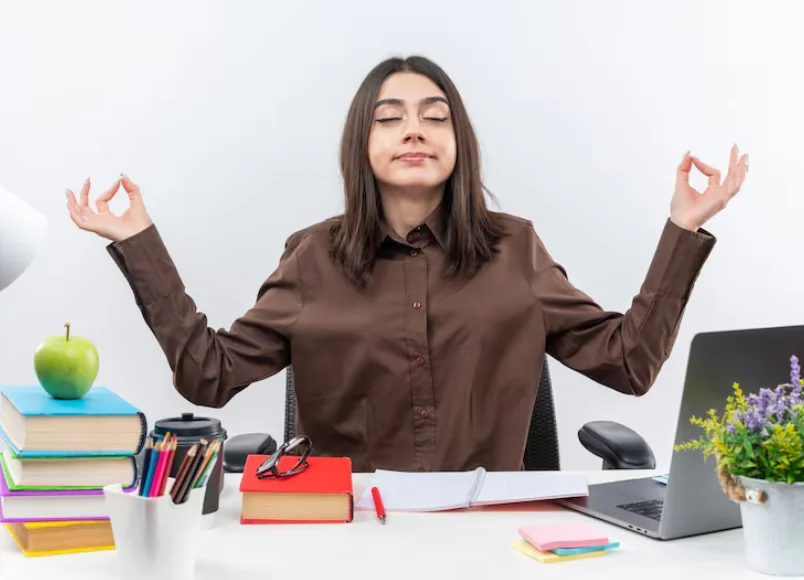
Stress often gets treated as something external, a reaction to workload, finances, or responsibilities. While those factors matter, stress is also shaped by how emotions are experienced and regulated internally. Emotional balance does not eliminate challenges, but it changes how those challenges are processed. When emotions are balanced, stress feels more manageable, and recovery happens more quickly.
Many people begin focusing on emotional balance during periods when stress feels constant or overwhelming. Financial pressure, family demands, or major life transitions can amplify emotional responses. For some, this awareness emerges while navigating practical decisions such as exploring options like debt settlement, where anxiety, fear, and uncertainty can pile up quickly.
In these moments, emotional balance becomes a stabilizing force, helping people think clearly rather than react purely from stress. Reducing stress through emotional balance is not about staying calm all the time. It is about creating enough inner steadiness that emotions move through without taking over daily life.
Understanding Emotional Balance
Emotional balance means being able to experience a full range of emotions without becoming overwhelmed by them. It does not require suppressing feelings or pretending everything is fine. Instead, it involves recognizing emotions, allowing them space, and responding intentionally.
Balanced emotions fluctuate naturally. Joy, frustration, sadness, and calm all come and go. Emotional balance exists when none of these states dominate for too long or dictate every decision. This balance creates resilience. When stress arises, it is met with awareness instead of panic.
How Emotional Imbalance Fuels Stress
When emotions are unregulated, stress compounds quickly. Small problems feel larger. Decisions feel urgent. The nervous system stays in a heightened state, making rest and focus difficult.
Emotional imbalance often shows up as rumination, irritability, or emotional exhaustion. These patterns drain energy and increase stress even when external circumstances remain the same. Recognizing this connection highlights why emotional balance is essential for stress reduction.
The Role Of Emotional Awareness
Emotional balance begins with awareness. You cannot regulate what you do not notice. Awareness involves paying attention to emotional signals in the body and mind. Tight shoulders, racing thoughts, or shallow breathing often signal rising stress. Catching these signals early allows for gentle intervention before stress escalates. Awareness transforms emotions from threats into information.
Mindfulness As A Foundation
Mindfulness supports emotional balance by anchoring attention in the present moment. Instead of replaying past events or anticipating future problems, mindfulness encourages noticing what is happening now. This practice reduces emotional intensity by preventing spirals. Emotions are experienced as temporary states rather than permanent conditions. Research from the American Psychological Association shows that mindfulness practices reduce stress and improve emotional regulation.
Balancing Emotions Through the Body
Emotional balance is not achieved through thought alone. The body plays a crucial role. Stress is stored physically, and physical regulation supports emotional calm. Practices like slow breathing, gentle movement, or stretching help signal safety to the nervous system. When the body relaxes, emotional intensity often decreases. Caring for sleep, hydration, and nutrition also supports emotional stability by reducing baseline stress.
Cognitive Reframing For Emotional Balance
How situations are interpreted strongly influences emotional response. Cognitive reframing involves examining thoughts and considering alternative perspectives. For example, viewing stress as a sign of failure intensifies anxiety. Viewing it as a signal to slow down or seek support reduces emotional pressure. Reframing does not deny difficulty. It changes how difficulty is understood.
Creating Emotional Space Before Reacting
One of the most practical tools for emotional balance is pausing. A brief pause between emotion and action creates space for choice. This pause can be as simple as taking a breath or stepping away momentarily. It interrupts automatic reactions that often increase stress. With practice, pausing becomes instinctive during emotional moments.
The Importance of Emotional Expression
Balanced emotions need expression. Bottling feelings increases stress and emotional pressure. Expression does not mean unloading emotions indiscriminately. It means acknowledging them honestly. Talking with a trusted person, journaling, or creative outlets allow emotions to move through rather than stagnate. Healthy expression supports emotional flow and stress release.
Setting Emotional Boundaries
Emotional balance also involves boundaries. Absorbing everyone else’s stress or constantly reacting to external demands drains emotional reserves. Boundaries protect energy. They allow you to respond thoughtfully rather than reactively. Saying no, limiting exposure to stressful inputs, and creating quiet space are all boundary practices. Boundaries support long term emotional stability.
Balancing Effort and Rest
Chronic stress often comes from imbalance between effort and rest. Emotional balance requires honoring both. Rest is not a reward for productivity. It is a requirement for emotional regulation. Without rest, emotions become reactive and stress escalates. Scheduling rest intentionally supports balance rather than leaving it to chance.
Self-Compassion as a Stress Regulator
Harsh self-judgment increases stress by adding emotional weight to already difficult situations. Self-compassion softens this response.
Treating yourself- with understanding during stressful moments reduces emotional strain and improves coping. It allows mistakes and limitations without shame.
Self- compassion strengthens emotional resilience over time.
Professional Support When Stress Feels Unmanageable
Sometimes stress exceeds what self- guided practices can manage. Seeking professional support is not a failure of emotional balance. It is an extension of it. Therapists and counselors offer personalized strategies for emotional regulation and stress management.
Their guidance can help identify patterns and develop tailored tools. The National Institute of Mental Health provides information on stress, emotional health, and when to seek professional support. Support accelerates healing and builds confidence in emotional skills.
Daily Habits That Support Emotional Balance
Emotional balance is reinforced through daily habits. Regular routines, movement, reflection, and mindful pauses all contribute. Consistency matters more than intensity. Small practices repeated daily build a stable emotional baseline. These habits reduce the frequency and intensity of stress responses.
Letting Go of Emotional Perfection
Emotional balance does not mean never feeling stressed. Stress is part of life. Balance means recovering more quickly and responding with intention. Accepting emotional imperfection reduces pressure. When emotions are allowed rather than resisted, they resolve more naturally. This acceptance itself- reduces stress.
Integrating Emotional Balance into Everyday Life
Reducing stress through emotional balance is an ongoing process. It evolves as circumstances change. What works during one season may shift in another. The key is staying attentive and flexible. Emotional balance grows through awareness, care, and practice. Over time, stress feels less consuming because emotional responses are more regulated.
A Holistic Path to Reduced Stress
Emotional balance addresses stress at its root by supporting both mind and body. Through awareness, mindfulness, physical regulation, and self- compassion, stress becomes manageable rather than overwhelming. This holistic approach does not eliminate challenges. It changes how you meet them. With emotional balance, stress loses its grip, clarity increases, and daily life feels more grounded and sustainable. Reducing stress through emotional balance is not about control. It is about harmony, creating space for emotions to move without letting them take over.