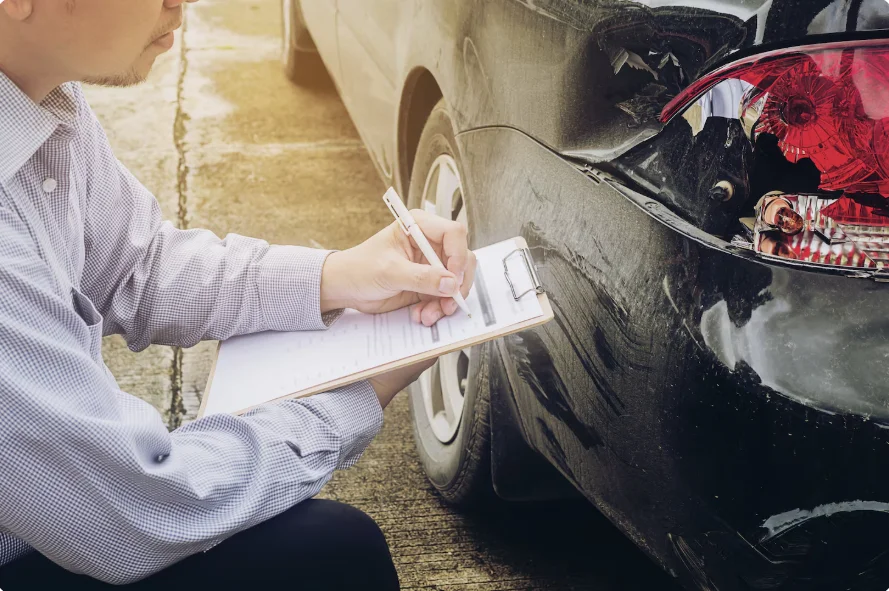
After a car accident, the immediate focus is often safety and health. Once those concerns are addressed, the next step is typically repairing your vehicle. However, vehicle repair after an accident is not just about restoring your car—it also plays a crucial role in insurance claims, personal injury protection, and long-term vehicle safety.
A professional collision repair shop ensures that your vehicle is repaired to factory standards while providing documentation needed to protect your legal and insurance rights. Proper repairs can prevent future mechanical issues, restore structural integrity, and safeguard your financial interests.
Why Timely Repairs Matter
Timing is critical when it comes to post-accident vehicle repairs. Waiting too long to have your car inspected or repaired can lead to additional damage, safety risks, and complications with your insurance claim. On the other hand, rushing repairs without proper documentation may reduce the compensation you are entitled to.
Certified collision repair shop services emphasize strategic timing to balance vehicle safety, repair quality, and insurance compliance. Coordinating repairs with your insurance provider ensures that your claim is supported and your vehicle is restored safely.
Immediate Steps After a Car Accident
Proper post-accident procedures set the stage for successful vehicle repair and insurance claims:
- Ensure Safety and Seek Medical Attention: Even minor injuries can become serious over time, and medical documentation is essential for insurance and legal purposes.
- Document the Scene: Take photos of vehicle damage, the accident location, and road conditions.
- Exchange Information: Collect insurance and contact details from all parties involved.
- Report the Accident: Notify your insurance provider promptly and provide accurate details about the incident.
- Contact a Professional Collision Repair Shop: Schedule an assessment before beginning repairs to ensure all damages are documented and addressed.
Following these steps protects your vehicle, your safety, and your claim.
How Collision Repair Shops Assess Damage
A professional collision repair shop performs a thorough assessment to identify visible and hidden damages. This process typically includes:
- Visual Inspection: Evaluating dents, scratches, and obvious structural damage.
- Diagnostic Testing: Using advanced technology to detect frame damage or mechanical issues.
- Repair Estimates: Providing detailed breakdowns of labor, parts, and costs for insurance approval.
- Documentation: Recording all damages with photographs and written reports to support your claim.
Accurate assessments prevent overlooked damages that could affect safety or insurance settlements.
The Role of Insurance in Collision Repair
Insurance companies require accurate documentation of vehicle damage to process claims. By working with a certified collision repair shop, you ensure that repair estimates and damage reports meet insurance standards. This helps to:
- Maximize your compensation
- Prevent disputes over repair costs or vehicle condition
- Ensure coverage for all necessary repairs, including hidden damages
- Streamline the claims process and reduce delays
Coordinating repairs with your insurance provider allows for a smooth, transparent repair process and ensures your rights are protected.
Common Mistakes Drivers Make After an Accident
Many drivers unintentionally compromise their vehicle repairs or insurance claims. Common mistakes include:
- Rushing Repairs: Completing repairs before proper documentation can limit compensation.
- Using Uncertified Shops: Poor-quality repairs can compromise vehicle safety and insurance claims.
- Delaying Repairs: Waiting too long can lead to further damage, safety risks, and increased repair costs.
- Neglecting Medical Checks: Untreated injuries may affect personal injury claims.
- Failing to Communicate With Insurance: Delayed communication can result in reduced payouts or coverage disputes.
Avoiding these errors ensures your vehicle is repaired correctly and your claim is fully supported.
Choosing the Right Collision Repair Shop
Selecting the right collision repair shop is crucial for quality repairs and insurance compliance. Consider the following factors:
- Certifications: Technicians should be certified and trained in post-accident repairs.
- Experience with Insurance Claims: Shops familiar with insurance procedures provide detailed documentation for claims.
- Advanced Equipment: Modern repair technology ensures accurate restoration of structural and mechanical components.
- Warranty and Quality Assurance: Reputable shops offer guarantees for both parts and labor.
- Positive Reviews: Customer feedback reflects reliability, professionalism, and repair quality.
Partnering with a certified shop ensures your car is repaired safely and your insurance claim is supported.
The Benefits of Professional Collision Repairs
Working with a professional collision repair shop offers multiple benefits beyond basic vehicle restoration:
- Safety Assurance: Properly repaired structural components protect you in future accidents.
- Quality Repairs: Certified technicians use advanced tools and manufacturer-approved methods.
- Insurance-Friendly Documentation: Detailed records support your claim and prevent disputes.
- Resale Value Protection: Professional repairs maintain your vehicle’s value.
- Peace of Mind: Knowing repairs are handled by experts allows you to focus on recovery.
These benefits highlight the importance of choosing a professional repair service for post-accident vehicle care.
Timing Repairs to Protect Your Injury Compensation
Vehicle repairs can affect personal injury compensation, especially if medical bills, lost wages, or pain and suffering are part of your claim. Certified collision repair shops document damages thoroughly, providing evidence that supports your injury claims. Timing repairs properly ensures that your vehicle condition aligns with medical documentation, helping you secure the compensation you deserve.
Tips for a Smooth Repair Process
To maximize repair quality and protect your compensation, follow these tips:
- Document Everything: Keep records of all communications, estimates, invoices, and photographs.
- Prioritize Safety Repairs: Address brakes, airbags, and other critical components immediately.
- Follow Professional Advice: Trust recommendations from certified collision repair shops technicians.
- Coordinate With Insurance: Maintain open communication with your insurance provider to prevent delays.
- Avoid Unauthorized Repairs: Do not use shops outside your insurance network without approval, as it may affect coverage.
These steps protect both your vehicle and your financial interests.
Final Thought: Protect Your Vehicle and Your Claim
Post-accident vehicle repair is about more than aesthetics—it’s about safety, legal compliance, and protecting your compensation. Working with a certified collision repair shop ensures that your vehicle is restored to factory standards, that all damages are thoroughly documented, and that your insurance claim or personal injury settlement is protected.
Timing repairs correctly, choosing experienced technicians, and coordinating with your insurance provider maximizes repair quality and compensation potential. By following these guidelines, drivers can recover from accidents with confidence, knowing their vehicle, safety, and financial interests are fully protected.