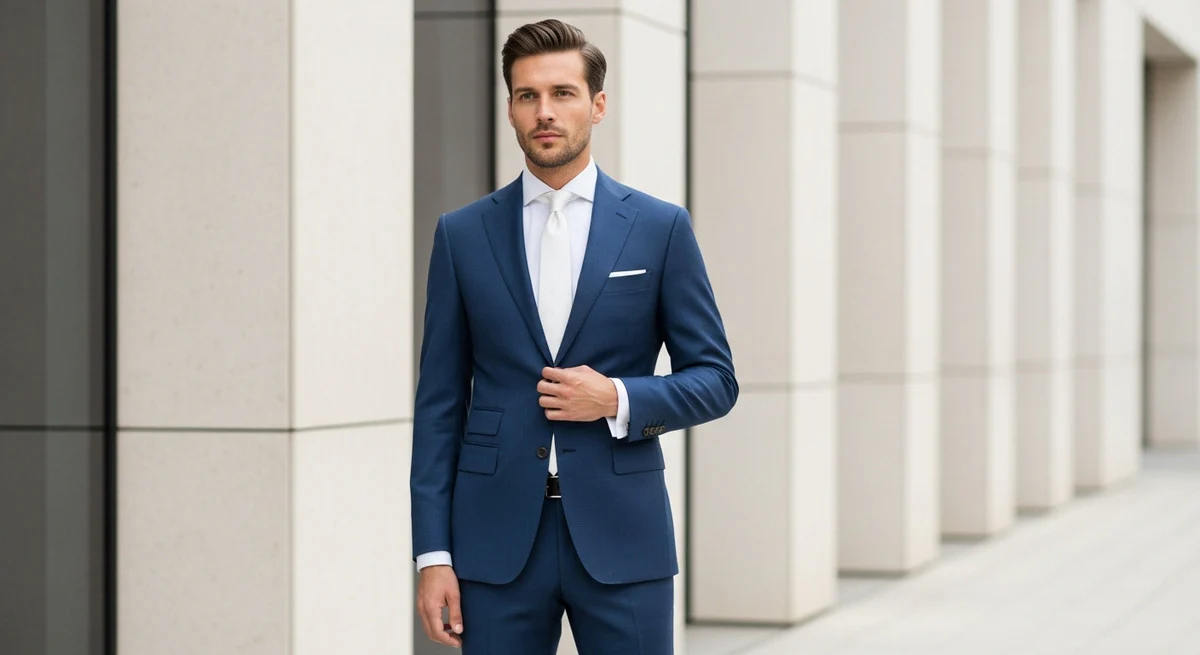
Choosing the right clothes isn’t about chasing every trend or filling your wardrobe with expensive pieces. It’s about finding items that genuinely fit your lifestyle and reflect who you are. The best outfits are the ones you don’t have to overthink — they feel natural, comfortable, and appropriate for where you’re going.
Whether you’re working in a corporate office, running your own business, studying at university, or balancing family life with social commitments, your clothing should support your daily routine, not complicate it.
Let’s break down how to make smarter choices when building a wardrobe that works for you.
Start With Your Daily Reality
Before buying anything new, take a moment to evaluate your weekly routine.
Ask yourself:
- Where do I spend most of my time?
- What kind of dress code applies there?
- How often do I attend formal or social events?
For example, someone working in finance or law may need structured outfits — tailored trousers, crisp shirts, polished shoes. Meanwhile, a creative professional or entrepreneur might lean toward smart-casual combinations, such as fitted jeans with clean sneakers and relaxed blazers.
If you work remotely, comfort might be a higher priority. But comfort doesn’t have to mean sloppy. Well-fitted joggers, quality knitwear, and breathable fabrics can still look put-together during video calls.
In industries like hospitality or retail, practicality matters. Durable fabrics and easy-to-move silhouettes can make long shifts more comfortable. In tech or startup environments, versatility is key — clothing that transitions smoothly from desk work to casual meetings.
The goal is alignment. Your wardrobe should match your real life, not an imaginary version of it.
Understand Fit and Fabric
Two factors make or break any outfit: fit and fabric.
Fit refers to how a garment sits on your body. Even the most stylish piece can look off if it’s too tight, too loose, or poorly proportioned. A well-fitted shirt should follow your natural shape without pulling at the buttons. Trousers should sit comfortably at the waist and fall cleanly over shoes.
Tailoring doesn’t always mean expensive. Small adjustments — shortening sleeves or hemming pants — can elevate even basic items.
Fabric matters just as much. Natural materials like cotton and wool tend to breathe better and last longer. Synthetic blends can offer stretch and durability. Understanding fabric helps you choose clothing appropriate for the climate and activity level.
For example:
- Lightweight cotton works well in warmer climates.
- Wool blends offer structure and warmth in cooler seasons.
- Stretch materials support movement during active days.
Learning a bit about textile materials can help you make more informed decisions, especially when shopping online.
Build Around Versatility
One of the smartest wardrobe strategies is building around versatile core pieces.
Think of your wardrobe like a toolkit. A carpenter doesn’t carry dozens of identical tools — just the right ones for multiple tasks.
Core staples might include:
- Neutral-colored trousers
- Dark denim jeans
- A crisp white or light blue shirt
- A well-fitted blazer
- Clean, minimal sneakers
- Classic leather shoes
From there, you can add personality through layering — jackets, knitwear, accessories, or subtle patterns.
For example, a navy blazer can be paired with dress trousers for formal settings or with jeans for a relaxed evening out. A simple crew-neck sweater can be worn alone or layered over a collared shirt.
This mix-and-match approach saves money and reduces decision fatigue. Instead of owning many single-use pieces, you invest in items that adapt to different situations.
Reflecting Personal Style Without Overcomplicating It
Personal style doesn’t mean dressing loudly or following trends. It’s about subtle consistency.
Some men prefer clean, minimalist looks — neutral tones, structured shapes, minimal patterns. Others lean toward bold prints or streetwear-inspired silhouettes.
Pay attention to what naturally draws you in. What colors dominate your closet? What outfits make you feel confident?
For example:
- If you’re drawn to monochrome outfits, lean into structured basics.
- If you enjoy relaxed aesthetics, explore layering and textured fabrics.
- If you prefer sharper looks, focus on tailored silhouettes.
When browsing curated selections like men’s clothing at Ajjaya, consider how each piece integrates with what you already own rather than starting from scratch.
The most stylish wardrobes evolve gradually. They’re built on thoughtful additions, not impulse purchases.
Dress for Your Goals, Not Just Your Present
Clothing can subtly influence perception — both how others see you and how you see yourself.
If you’re working toward a promotion, dressing slightly sharper than required can signal professionalism. If you’re networking or building a brand, a consistent style helps create a recognizable presence.
In many industries, appearance forms part of the first impression. While skills and experience matter most, presentation supports credibility.
That doesn’t mean wearing a suit everywhere. It means understanding context. A polished casual outfit can be just as impactful as formal wear when chosen thoughtfully.
Avoid Common Shopping Mistakes
When choosing men’s clothing, watch out for these common pitfalls:
Buying Only Trends
Trends fade quickly. Invest in timeless staples first.
Ignoring Comfort
If something feels uncomfortable in the fitting room, it won’t improve later.
Overloading on One Style
Balance is important. Even if you love casual wear, having at least one formal-ready outfit is wise.
Skipping Quality for Price
Cheap items that wear out quickly cost more in the long run.
Smart shopping isn’t about spending more — it’s about choosing better.
Bringing It All Together
Choosing men’s clothing that fits your lifestyle and personal style is about clarity.
Start with your daily routine.
Understand fit and fabric.
Build versatile foundations.
Add personality gradually.
When your wardrobe aligns with how you live and who you are, getting dressed becomes easier. You spend less time deciding and more time focusing on what truly matters — work, family, goals, and experiences.
Style isn’t about perfection. It’s about intention.
With a thoughtful approach, your clothing can support your confidence, simplify your mornings, and reflect your individuality — without ever feeling forced.