Homeowners in 2026 are focusing more on wellness and relaxation within their own living spaces. Saunas are a top choice for creating a personal retreat that supports both physical and mental health. With a growing range of styles and technologies, the modern sauna can fit almost any home environment.
Emerging Trends in Home Sauna Design
Sauna design has evolved beyond traditional wood cabins. Current trends emphasize energy efficiency, smart control systems, and compact layouts suitable for smaller homes. Homeowners now have options that blend seamlessly with contemporary interiors while offering the same therapeutic benefits.
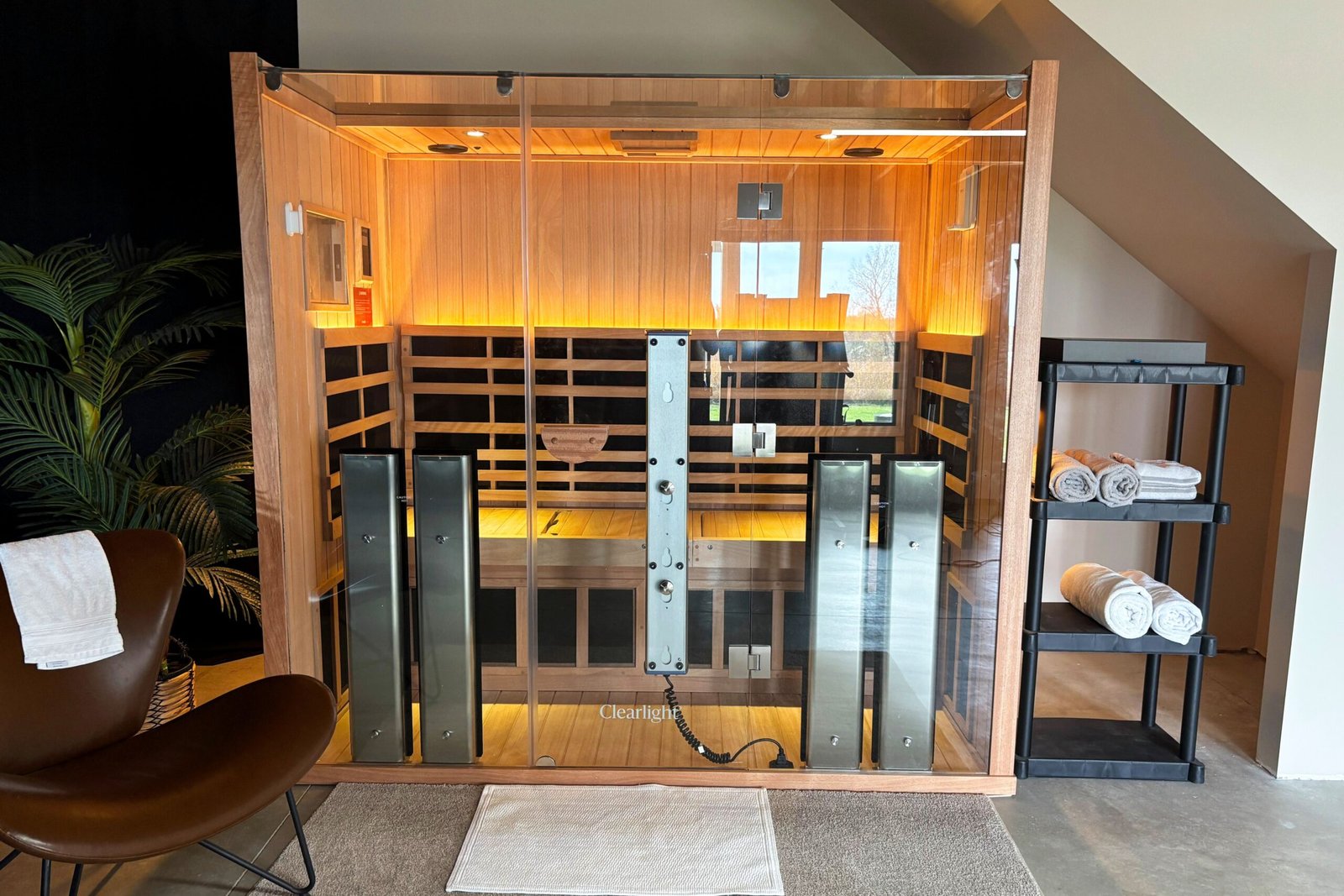
Infrared technology is increasingly popular because it uses lower temperatures, making sessions more comfortable. Steam models remain a favorite for those who enjoy the deep warmth and humidity that promote muscle relaxation and improved circulation.
Popular Types of Saunas for Residential Use
Several types of saunas are well suited for home installation. Each offers unique advantages depending on available space, budget, and desired experience.
- Infrared saunas: Use radiant heat to warm the body directly, offering efficient energy use and faster warm-up times.
- Traditional saunas: Feature heated stones and water to create steam, providing an authentic and invigorating environment.
- Portable saunas: Compact and movable, ideal for smaller spaces or temporary setups.
- Outdoor saunas: Combine natural surroundings with relaxation, often built near a calgary hot tub for an enhanced spa-like experience.
Health and Lifestyle Benefits
Regular sauna use supports wellness by promoting circulation, easing joint discomfort, and encouraging relaxation. The heat helps detoxify the body through perspiration while providing relief from everyday stress. Over time, consistent use can contribute to improved sleep and recovery after physical activity.
Pairing a sauna with a hot tub creates a complete home spa environment. Alternating between heat and cool-down sessions can boost vitality and deepen relaxation, making it a perfect routine for unwinding after long days.
Space Planning and Installation Tips
Before selecting a sauna, homeowners should assess the available space and ventilation. Indoor models often require access to electrical connections and moisture-resistant materials. Outdoor units should be placed on stable, weather-protected surfaces to ensure safety and longevity.
Many modern units come preassembled or in modular kits, simplifying installation. Choosing high-quality insulation and durable materials such as cedar or hemlock helps maintain consistent heat and a pleasant aroma over time.
Energy Efficiency and Maintenance
Energy efficiency is a top consideration in 2026. Infrared models generally consume less electricity, while traditional saunas can be optimized with programmable timers and insulated panels. Routine cleaning and regular inspections of heaters or controls will keep the sauna running safely and efficiently.
Proper ventilation prevents moisture buildup, preserving both the sauna and surrounding areas. Simple habits like wiping surfaces after use and airing out the space extend the life of the equipment.
Choosing the Right Sauna for Your Home
The best sauna depends on personal preferences, available space, and lifestyle goals. Homeowners seeking quick sessions may prefer infrared styles, while those looking for a classic experience might choose a wood-burning or electric traditional model. Considering materials, size, and design ensures the sauna complements the home’s layout and atmosphere.
With thoughtful planning and the right features, a home sauna can become a lasting investment in comfort and well-being. As wellness design continues to grow, saunas remain one of the most rewarding additions for homeowners seeking relaxation and reju