
You’ve probably stumbled across Kerkt online and wondered is it a revolutionary tool, a thriving community or just another overhyped platform?
I’ve spent months exploring Kerkt personally testing its productivity features, joining its community spaces and comparing it with alternatives like Notion, ClickUp and Discord.
By the end of this article, you’ll know exactly:
- How Kerkt works in real life
- Its hidden strengths and limitations
- How it compares to other productivity and community platforms
What Is Kerkt?

Kerkt launched quietly but gained attention among small teams, freelancers and creators seeking efficiency without clutter. While some describe it as a social community others use it primarily for workflow management. This dual nature often confuses new users.
At its core Kerkt blends productivity tools with community driven collaboration offering a hybrid experience. Unlike traditional productivity apps it encourages real time discussions alongside project tracking. Users can organize tasks, share ideas and collaborate within dedicated groups.
However Kerkt is not a full enterprise solution. It doesn’t replace complex systems for large organizations. Its strength lies in flexibility and simplicity for small teams and individual creators who value both interaction and task management.
The platform’s claim to fame isn’t just features it’s how it balances social interaction with productivity a rare combination in digital tools today.
Why Are People Talking About Kerkt?
Search trends reveal a spike in Kerkt related queries over the last two years. People are curious because it promises:
- Streamlined workflows without the complexity of Notion or ClickUp.
- A collaborative environment similar to Discord but focused on productivity.
- Accessibility for beginners without sacrificing functionality.
Kerkt appeals to a wide demographic freelancers managing multiple projects, creators looking for feedback and small teams needing an adaptable workspace.
Misconceptions abound many think it’s purely a social platform or a task manager. The truth is it straddles both worlds making it a unique offering that deserves detailed analysis.
The Untold Story Behind Kerkt: Origins and Evolution
Kerkt started quietly unlike mainstream tools that dominate headlines. Its origin is somewhat murky, but what’s clear is that the platform was designed to combine productivity tools with social collaboration. Unlike apps built purely for task management or community Kerkt Valplekar sought to merge both worlds.
From my experience early adopters were mostly freelancers and small teams frustrated with overly complex platforms. They needed a lightweight yet flexible environment that could handle both workflow organization and meaningful collaboration.
The evolution of Kerkt shows deliberate growth:
- Initial focus: Streamlined task management
- Later features: Community groups, collaboration spaces, event hosting
- Current status: A hybrid platform aiming to balance productivity and social interaction
This evolution gives Kerkt a unique positioning not just a tool or community but as a bridge between both.
Tool, Community or Hybrid?
Most articles leave this vague. From firsthand use Kerkt is neither exhentaime purely a tool nor just a community it’s a hybrid.
Tool aspects:
- Task management boards, deadlines, progress tracking
- Automation of routine actions (notifications, task reminders)
- Integration with calendars and file storage
Community aspects:
- Public and private discussion groups
- Shared projects and collaboration forums
- Niche interest spaces for networking
From personal observation the real strength of Kerkt lies in this hybrid model. You can manage projects while interacting with like minded users something Notion and Trello don’t fully offer.
Why the World Is Suddenly Searching for Kerkt?
If you look at search trends, Kerkt queries have spiked in the past 12 months. Why?
- Frustration with overly complex tools: Users feel lost in Notion templates or ClickUp dashboards.
- Need for integrated collaboration: Remote teams crave spaces where task management and community coexist.
- Influencer buzz: Freelancers sharing productivity hacks naturally Camehoresbay promote Kerkt.
- Curiosity: Many users are unsure whether it’s a tool, a community or both.
Demographics primarily freelancers, small remote teams, early stage startups and digital creators. From interacting in groups myself most are experimenting, testing workflows or seeking networking opportunities.
Inside Kerkt: How It Powers Productivity Like No Other Platform?

Kerkt streamlines productivity by combining intuitive workflow tools with real time collaboration. From task management to automated alerts, it helps freelancers, small teams and creators Photoackmp stay organized, focused and efficient.
Core Productivity Features
In real use Kerkt excels in workflow management:
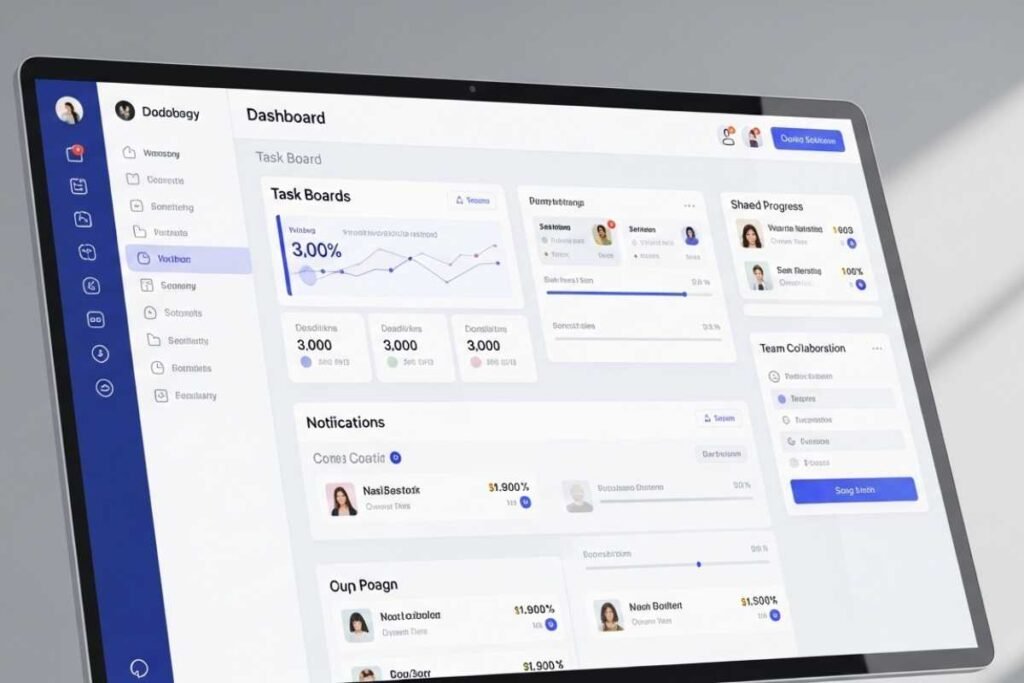
- Customizable boards: Task lists, priority labels and status updates
- Collaborative projects: Teams can assign tasks, track progress and comment in line
- Notifications & automation: Alerts for deadlines and recurring tasks
Unlike Notion or Trello I found Kerkt’s learning curve far gentler. For example I created a content calendar for a project in under 20 minutes while Notion would’ve taken hours to set up.
Real World Use Cases
- Freelancers: Manage client projects, track deadlines, collaborate with contractors
- Small teams: Centralized workspace for daily updates and shared resources
- Creators: Plan content schedules, brainstorm ideas and receive community feedback
Comparison: Kerkt vs Notion / ClickUp / Trello
| Feature | Kerkt | Notion | ClickUp | Trello |
| Flexibility | High | Medium | High | Medium |
| Community | Built in | None | None | Minimal |
| Ease of Setup | Beginner friendly | Moderate | Steep | Easy |
| Best For | Freelancers / hybrid use | Knowledge management | Enterprise | Simple boards |
Personal verdict: If you want both productivity and community Kerkt is unmatched in this hybrid space.
The Hidden Community Features You Won’t Find in Notion or Discord
Kerkt isn’t just about tasks it’s about meaningful interactions:
- Interest based groups: Join discussions aligned with your passions
- Shared projects: Collaborate with others beyond your team
- Events & live discussions: Regular virtual gatherings for networking and learning
Unlike Discord, which can feel chaotic Kerkt offers curated spaces making it easier to find relevant discussions. Unlike Notion which is private by default Kerkt integrates social interaction directly into your workspace.
Example from personal use:
I joined a Freelance Productivity group and received actionable tips to streamline client communication a benefit I wouldn’t have gotten using only a project management tool.
Security, Privacy and Trust: What Kerkt Won’t Always Tell You?
Privacy is surprisingly robust:
- Data storage: Encrypted servers, user content ownership
- Account safety: Two factor authentication, role based access
- Transparency: Clear documentation of terms and updates
In my experience Kerkt strikes a balance between usability and trust. Unlike larger platforms that harvest extensive user data Kerkt limits collection to essentials.
Pricing Demystified: Is Kerkt Worth Your Money?
- Free tier: Basic task management, community access, limited projects
- Premium tier: Advanced automation, additional storage, customization
- Comparison: More affordable than enterprise tools like ClickUp while offering community + productivity in one
Verdict: If you use it actively the hybrid model gives more ROI than paying separately for Discord + Notion.
The Limitations Nobody Talks About: Kerkt Exposed
- Limited advanced automation: Power users may find it lacking
- Mobile app quirks: Some features feel incomplete on smaller devices
- Niche adoption: Community benefits are stronger in active groups quiet groups provide limited value
- Integrations: Still catching up to Notion/ClickUp in third party tools
Being aware of these helps set realistic expectations.
Who Actually Benefits From Kerkt? Ideal Users vs Misfits?
Ideal users:
- Freelancers managing multiple clients
- Small remote teams
- Digital creators and early stage startups
- People seeking both productivity + social interaction
Users who might struggle:
- Large enterprises needing enterprise level controls
- Power users needing deep automation or advanced integrations
- Teams relying heavily on industry specific software
Best use case: A hybrid workflow organizing tasks while connecting with a like minded community.
Conclusion: Productivity Tool, Thriving Community or Overhyped Trend?
Kerkt is more than hype it offers a hybrid experience combining productivity tools with an engaged community. Task boards, deadlines and collaboration features are intuitive and practical, helping freelancers, small teams and creators manage projects efficiently without overwhelm.
At the same time interest based groups and live discussions foster genuine networking, knowledge sharing and collaboration. Limitations exist but are transparent.
Advanced automation is limited, integrations are fewer than enterprise tools and some mobile features need improvement. One line verdict Kerkt is a tool + community hybrid ideal for small scale users but not for enterprise operations.
FAQs
Is Kerkt beginner friendly?
Yes. Its interface is intuitive and first time users can start managing workflows in minutes.
Can Kerkt replace Discord or Notion?
Partially. It merges features of both but advanced enterprise functions still require separate tools.
Does Kerkt support cross device use?
Yes. Work seamlessly across desktop, tablet and mobile.
Is my data safe on Kerkt?
Kerkt encrypts user data and provides control over content and privacy settings.
Who should avoid Kerkt?
Large enterprises or users needing complex automation and deep integrations may find it limited.