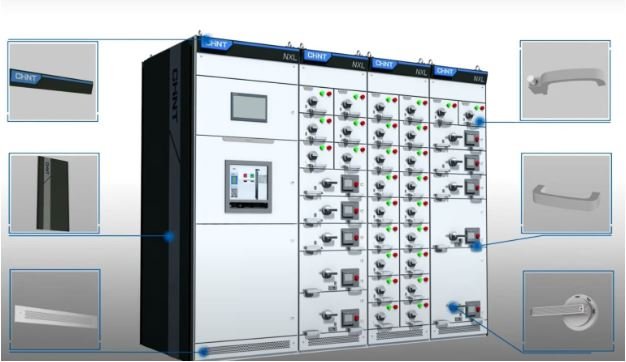
Planning an electrical distribution system is not just about delivering power. It is about doing it safely, efficiently, and in a way that supports long-term reliability. Whether you are working on a residential building, a commercial facility, or an industrial project, poor planning can lead to overloads, downtime, and costly maintenance issues.
This is where low voltage products play a critical role. They form the backbone of modern electrical distribution systems, helping you control, protect, and manage power across multiple circuits. By understanding how these components work together, you can design a system that performs consistently while adapting to future needs.
Why Electrical Distribution Planning Matters
Electrical distribution planning ensures that power flows from the source to every connected device in a structured and controlled way.
Common challenges you may face
- Uneven load distribution across circuits
- Difficulty isolating faults during failures
- Limited flexibility for system upgrades
Benefits of proper planning
- Improved system reliability
- Better energy efficiency
- Reduced maintenance costs
- Enhanced safety for users and equipment
A well-designed system minimizes risks while maximizing performance.
What Are Low Voltage Components
Low voltage components are devices used in systems operating at lower voltage levels, typically up to 1000 volts. These components are essential for managing power safely within buildings and facilities.
Examples of low voltage components
- Circuit breakers
- Contactors
- Distribution boards
- Switches and relays
- Protective devices
Key functions
- Control electrical flow
- Protect circuits from faults
- Enable safe operation of connected equipment
These components work together to create a reliable and efficient electrical network.
Key Elements of Electrical Distribution Planning
To build a strong system, you need to focus on several important elements.
Load analysis
Understanding how much power each part of your system requires is the first step.
- Identify peak and average loads
- Consider future expansion needs
- Balance loads across circuits
Circuit design
Proper circuit design ensures smooth power distribution.
- Divide loads into manageable sections
- Use appropriate protection devices
- Ensure proper wiring and layout
Protection coordination
Each part of your system should have the right level of protection.
- Prevent overloads and short circuits
- Isolate faults quickly
- Maintain system continuity
By combining these elements, you create a system that is both efficient and safe.
The Role of Low Voltage Products in System Design
Low voltage products are central to how your electrical system operates. They provide the tools needed to control and protect power at every stage.
How they contribute
- Distribution boards organize and distribute power
- Circuit breakers protect against overloads
- Contactors control high-power devices
- Relays support automation and monitoring
Advantages in planning
- Improved flexibility in system design
- Easier maintenance and troubleshooting
- Better scalability for future upgrades
Using the right components ensures that your system can handle both current and future demands.
Designing for Efficiency and Safety
Efficiency and safety should always be your top priorities when planning electrical distribution.
Tips for improving efficiency
- Use energy-efficient components
- Optimize load distribution
- Reduce unnecessary power loss
Safety considerations
- Install proper protective devices
- Ensure compliance with standards
- Regularly inspect and maintain equipment
A balanced approach helps you achieve both performance and safety without compromise.
Comparing Key Low Voltage Components
Understanding the differences between components helps you choose the right solution for your system.
| Component | Function | Best Use Case |
| Circuit breaker | Protects circuits | Overload and short circuit protection |
| Contactor | Controls power flow | Automation and motor control |
| Relay | Supports switching logic | Control systems and automation |
| Distribution board | Distributes power | Central system management |
Each component plays a specific role, and together they create a complete distribution system.
Planning for Scalability and Future Needs
Modern electrical systems must be able to adapt to changing requirements. Planning for scalability ensures that your system remains effective over time.
How to plan for growth
- Leave space for additional circuits
- Use modular components
- Design flexible layouts
Benefits of scalable systems
- Easier upgrades
- Reduced redesign costs
- Better long-term performance
By thinking ahead, you can avoid unnecessary complications in the future.
Supporting Reliable Distribution With CHINT
Reliable components are essential for effective electrical distribution planning. CHINT provides a wide range of solutions designed to support low voltage systems across different applications.
With a focus on performance and safety, CHINT helps ensure that your distribution system operates efficiently and reliably.
Conclusion
Electrical distribution planning is the foundation of any reliable power system. It determines how efficiently energy is delivered, how safely faults are managed, and how easily the system can adapt to future needs. low voltage products play a central role in this process. They provide the control, protection, and flexibility needed to build systems that perform consistently under different conditions.
When you take the time to plan your distribution system carefully and choose the right components, you create a setup that is not only efficient but also dependable. This approach ensures that your electrical infrastructure continues to support your needs both now and in the future.