There is a moment every digital artist knows well. You have a story idea that is bigger than what you can build alone. Maybe you write but cannot draw. Maybe you illustrate but need someone to handle lettering and layout. Maybe you created something years ago with a collaborator who vanished into the internet, and you have been trying to reconnect ever since. The creative community is vast, but finding the right people inside it has never been as straightforward as it should be.
For creators working in digital comics, fan art, and visual storytelling, collaboration is not optional. It is the engine. Projects like long-running digital comic families and interconnected lore universes almost always begin with two or more people who found each other online, trusted a shared vision, and figured out the rest together. Understanding how that connection actually happens is worth talking about honestly.
Where Creators Actually Meet Each Other
The myth is that great collaborations happen by accident. In reality, most working artists and writers are deliberate about where they show up and how they make themselves findable. A few spaces consistently produce real creative partnerships.
- Pixiv and Fanbox communities – Artists who post regularly on Pixiv build visibility over time. Fanbox supporters often become collaborators because they already understand and believe in the creator’s vision before any conversation starts.
- Dedicated Reddit communities – Subreddits built around comics, manga, and graphic novel creation are full of writers looking for artists and artists looking for writers. The key is posting with enough specificity that the right person can self-select. Vague posts attract vague responses.
- Discord servers tied to specific genres – Action, horror, slice-of-life, fantasy – each has active Discord communities where creators share work-in-progress panels, ask for feedback, and quietly scout for collaborators who match their style.
- Telegram channels and creator groups – Smaller and more direct than most platforms, Telegram has become a genuine hub for comic creators who want faster communication and more privacy around projects still in development.
The Commissioner Relationship Is Often a Pipeline
Many long-term creative partnerships start as commission work. A writer commissions a single piece. The artist delivers something that captures the tone better than expected. A conversation starts. Before long, what began as a paid transaction has become a genuine co-creation.
This is not rare. It is actually one of the most common origin stories for indie comic projects that go on to build real audiences. The commission model matters because it creates a low-risk way to test creative compatibility without either party over-committing. Writers learn how an artist interprets direction. Artists learn how a writer responds to visual interpretation of their ideas. Both sides learn whether communication feels natural.
For creators who want to move from one-off commissions toward ongoing collaboration, the best approach is transparency early. Be clear about what the longer vision looks like, what the payment model would be, and what creative control would look like for each party.
Finding People You Have Lost Track Of
The internet has a particular cruelty for creative relationships. Artists change usernames. Writers move platforms. Accounts get deleted. Someone you built something meaningful with three years ago might now be completely unfindable through the platforms where you originally connected.
This happens constantly in creative communities, and it matters more than people acknowledge. Lost collaborators represent lost context. They were part of a project, understood its internal logic, and contributed to something that still exists even if the relationship does not. Reconnecting is sometimes purely personal. Other times it is practical – licensing questions, attribution issues, or simply wanting to revisit a project together.
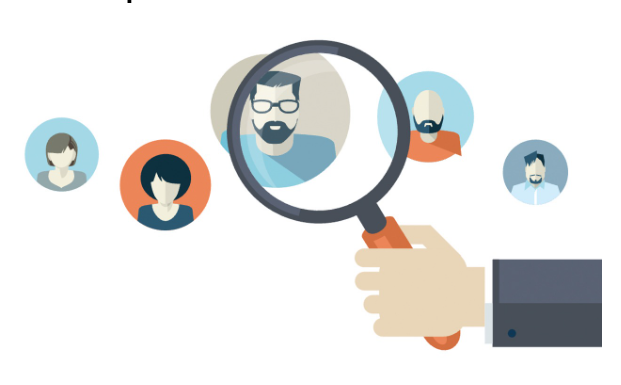
When platform searches fail, some creators turn to tools that work from partial information. A username, a real name, a city, or an email address from years ago can sometimes be enough. A people finder tool that pulls contact details from names, partial information, or associated data points can bridge the gap that social platforms leave open. It is not the romantic version of reconnection, but it works when nothing else does.
Making Yourself Findable Is Half the Work
Creators spend enormous energy looking for collaborators and commissioners without spending equal energy making themselves easy to find. The result is that two people who would be perfect for each other can exist in the same online spaces for years without connecting.
A few practices make a genuine difference. Keeping your username consistent across platforms is underrated. If your Pixiv handle, your Reddit account, your Telegram, and your Fanbox all share the same name or a close variation, someone who discovers your work in one place can find you in another without friction. Cross-posting samples with clear tags that describe your style and the type of project you are open to helps the right people identify you as a match.
Leaving breadcrumbs in your bio also matters more than most creators think. A single line that says what kind of collaboration you are open to, what genres you work in, and how someone should reach you is worth more than a beautifully written artist statement that mentions none of those things.
The Longer Game in Creative Communities
Digital art communities, especially those built around ongoing storytelling universes and comic series with deep lore, develop their own internal economies of trust. Creators who show up consistently, engage honestly with other people’s work, and deliver on what they commit to become the people everyone wants to work with. That reputation compounds over time in ways that no single platform hack can replicate.
Finding collaborators and commissioners is ultimately a relationship problem, not a search problem. The tools and platforms help, but what sustains creative partnerships is the same thing that sustains any relationship: communication, shared investment in the outcome, and enough mutual respect to navigate the inevitable disagreements about creative direction.
Whether you are building your first indie comic, contributing fan work to a universe you love, or trying to reconnect with someone you made something meaningful with years ago, the path forward almost always runs through people. Getting better at finding them, and at being found, is one of the most practical creative skills a digital artist can develop.