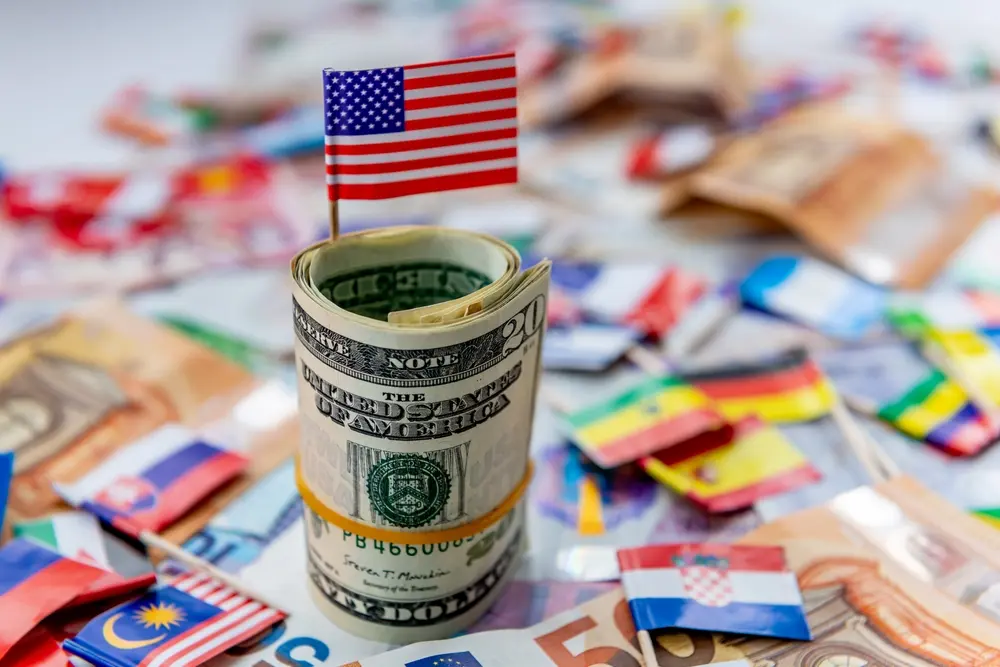
Global currency markets are deeply influenced by economic conditions, financial policies, and investor sentiment. Among the most widely monitored currency pairs is the British Pound and the US Dollar, two of the most powerful currencies in international trade and finance. Businesses, investors, and policy analysts track movements between these currencies closely because even small fluctuations can affect global trade costs, investments, and economic forecasts. Monitoring the pound dollar exchange rate helps financial experts interpret economic signals and anticipate future market movements.
Understanding how economic trends influence currency values requires examining several macroeconomic indicators such as inflation, interest rates, employment, and trade performance. When these factors shift in either the United Kingdom or the United States, they can significantly affect investor confidence and capital flows. As a result, currency markets respond quickly to new economic data, making exchange rate analysis an essential part of global financial strategy.
Global Economic Indicators That Influence Currency Strength
Economic trends provide important signals about the stability and growth potential of national economies. Investors often rely on these indicators to evaluate currency strength and anticipate exchange rate movements.
● Economic Growth and GDP Expansion
Economic growth is one of the strongest indicators influencing currency value. When a country’s economy grows consistently, it attracts foreign investment and strengthens its currency. Strong GDP expansion often indicates healthy business activity, rising employment, and higher productivity. These factors encourage investors to place their capital in that economy. If the United Kingdom experiences faster growth compared to the United States, the pound may strengthen relative to the dollar due to increased global demand.
● Employment and Labor Market Stability
Employment statistics play an essential role in determining economic health. A strong labor market signals economic stability, increased consumer spending, and higher productivity. When employment rates improve, consumer confidence often rises, encouraging economic growth. Investors frequently monitor unemployment rates and job creation reports because these indicators reveal how effectively an economy is performing and how sustainable its growth may be.
● Inflation and Purchasing Power
Inflation directly affects a currency’s purchasing power. Moderate inflation can indicate healthy economic activity, but excessive inflation can weaken a currency by reducing consumer buying power. If inflation rises significantly in one country compared to another, investors may shift their capital toward the economy with stronger monetary stability. Central banks often respond to inflation changes with policy adjustments that can influence currency demand.
● Government Fiscal Policy
Government spending, taxation policies, and fiscal strategies influence economic growth and financial stability. Expansionary fiscal policies may stimulate growth and encourage investment, while excessive government debt may create uncertainty in financial markets. Investors monitor fiscal policy changes carefully because they affect economic outlook and long-term currency valuation.
Pound Dollar Exchange Rate: How Economic Trends Shape Market Movements
The interaction between the UK and US economies creates continuous fluctuations in the pound dollar exchange rate. Various economic forces influence this relationship and shape currency movements in international markets.
● Central Bank Interest Rate Policies
Interest rates established by central banks are one of the most powerful drivers of currency value. The Bank of England and the US Federal Reserve adjust interest rates to control inflation and manage economic growth. Higher interest rates often attract international investors seeking better returns on financial assets. When the United States raises interest rates more aggressively than the United Kingdom, the dollar may strengthen due to increased investment flows.
● Monetary Policy and Financial Stability
Monetary policy decisions influence liquidity, credit availability, and economic growth. When central banks adopt policies that encourage lending and investment, economic activity can increase. These policy decisions often affect investor confidence and influence currency demand. Markets closely observe central bank statements because they provide insight into future financial strategies.
● Political Developments and Economic Reforms
Political stability and government reforms play an important role in shaping economic confidence. Elections, regulatory changes, and policy reforms can influence investor perceptions of long-term economic stability. When political developments create uncertainty, currency markets often respond with volatility as investors adjust their expectations regarding future economic performance.
● Financial Market Performance
Stock market performance and financial sector activity also affect currency strength. When financial markets perform strongly, they attract international investment capital. Foreign investors must convert their currencies to participate in these markets, which can increase demand for a country’s currency and influence exchange rates.
Long-Term Economic Trends and Currency Market Behavior
Long-term economic trends often determine the broader direction of currency movements. While short-term volatility is common, structural economic developments influence currency strength over extended periods.
● Technological Innovation and Economic Productivity
Advancements in technology can significantly boost productivity and economic growth. Countries that lead in technological development often attract investment and maintain strong economic performance. Increased productivity improves competitiveness in global markets, which may strengthen a country’s currency over time.
● Infrastructure Development and Investment
Investment in infrastructure such as transportation networks, digital systems, and energy resources supports long-term economic expansion. When governments invest in infrastructure, it can stimulate employment, improve efficiency, and enhance trade capabilities. These improvements often encourage international investment and support currency stability.
● Education and Workforce Development
A skilled workforce contributes to innovation, productivity, and economic competitiveness. Nations that prioritize education and workforce development often experience stronger long-term economic performance. This stability attracts investors and supports sustained currency strength.
● International Investment Flows
Foreign direct investment plays an important role in shaping currency demand. When multinational companies invest in a country’s industries, they must convert their funds into the local currency. These capital inflows increase demand for the currency and can strengthen its value relative to others.
Final Thoughts
The pound dollar exchange rate will continue to reflect the evolving economic relationship between the United Kingdom and the United States. As global economies grow more interconnected, currency movements will remain closely tied to economic performance, policy decisions, and investor sentiment. Businesses involved in international trade, financial institutions managing global portfolios, and investors analyzing currency markets all depend on exchange rate trends to guide their strategies.
In the future, developments such as technological innovation, shifts in global trade dynamics, and changes in monetary policy will continue to influence currency markets. By closely monitoring economic indicators and financial policies, analysts and investors can gain valuable insight into currency trends and make informed decisions in an increasingly complex global financial environment.





![Pepper0] family (1-40) {ongoing}](https://pepper0.com/wp-content/uploads/2025/09/Untitled-design-2025-09-09T180233.424-300x164.jpg)