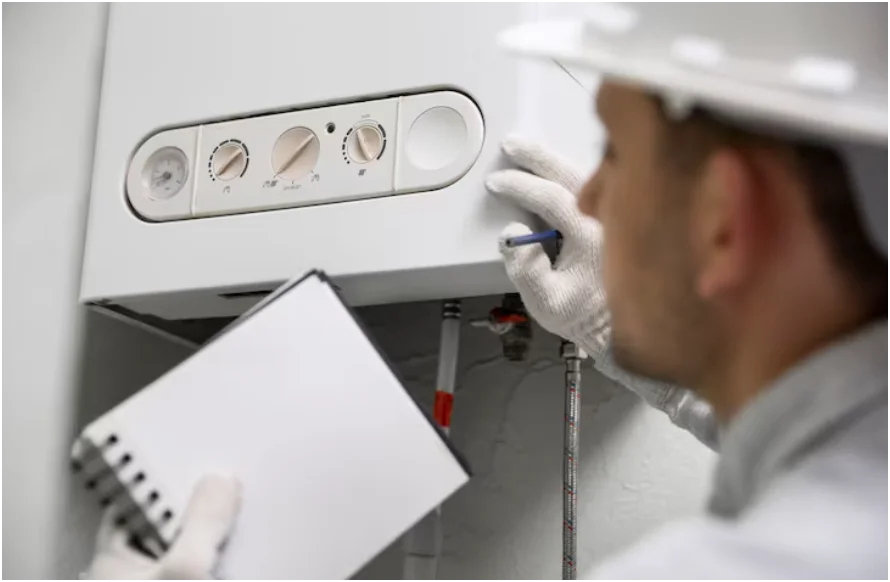
A water heater leak can be more than just an inconvenience—it can lead to water damage, higher utility bills, and potential system failure if not handled promptly. Identifying the cause of the leak and determining whether to repair or replace the unit requires attention to detail and a thorough understanding of how water heaters function. While some leaks can be resolved through minor fixes, others may signal the end of your heater’s service life. We will explore practical methods to diagnose leaks, assess their severity, and make an informed decision about whether repair or replacement is the most suitable course of action.
Understanding and Diagnosing Water Heater Leaks
- Check the Water Supply Connections
The first step in diagnosing a water heater leak is to inspect the water supply lines connected to the top of the tank. These are often the culprits when you notice water pooling near the heater. Over time, fittings can loosen, and flexible hoses can crack or corrode, allowing water to escape slowly. Turn off the power supply to the unit—electric heaters should be disconnected from the breaker, and gas heaters should have their gas valves shut off for safety. Then, use a dry cloth or tissue to check for moisture around the inlet and outlet pipes. Tightening loose connections or replacing damaged hoses may resolve the issue.
Homeowners who work with Semper Fi Heating & Cooling LLC can also benefit from professional guidance to ensure connections are secure and safe. However, if you notice persistent dripping even after tightening, it could indicate internal tank corrosion or excessive pressure buildup within the system. Addressing these early signs can prevent larger leaks and costly water damage.
- Inspect the Temperature and Pressure Relief (T&P) Valve
The temperature and pressure relief valve is a vital safety feature that prevents the tank from overpressurizing. Located on the side or top of the unit, this valve can occasionally release small amounts of water to regulate pressure. However, continuous leaking from the T&P valve may indicate a malfunction or excessive water pressure in your plumbing system. To check it, lift the lever gently and allow some water to drain through the discharge pipe. If it continues to leak afterward, you might have a faulty valve that needs replacement. On the other hand, if the valve works fine but still releases water frequently, your water pressure regulator or expansion tank may need attention. Ignoring this issue can cause wear on internal components and eventually lead to tank failure. Regularly monitoring your heater’s pressure valve helps maintain the system’s safety and efficiency.
- Evaluate the Drain Valve at the Bottom of the Tank
Another common source of leaks is the drain valve located near the bottom of the water heater. This valve is used for flushing sediment out of the tank—a maintenance task that should ideally be done once or twice a year. Over time, minerals and debris from the water supply can accumulate, leading to corrosion or blockage. If water is seeping from the valve, it could be due to a loose handle, a worn washer, or internal corrosion. Try tightening the valve slightly, but if the leak persists, replacing it is usually necessary. In some cases, the drain valve might only drip when the tank heats up, which suggests pressure expansion issues rather than direct mechanical failure. Regular flushing can help minimize sediment buildup and prolong the life of your heater, thereby reducing the likelihood of leaks from the drain valve area.
- Examine the Tank for Corrosion or Internal Damage
When all external sources have been checked, the next step is to inspect the tank itself. Internal corrosion is one of the most serious causes of water heater leaks, particularly in older units. Over time, the protective anode rod inside the tank degrades, allowing rust to eat through the steel walls. Once the inner lining has corroded, water will begin seeping through microscopic cracks that grow over time. Unfortunately, once the tank itself starts leaking, it cannot be repaired—replacement is the only reliable solution. You can spot signs of tank corrosion by looking for rust stains, moisture under the unit, or bubbling paint around the bottom. Installing a new anode rod every few years and performing regular maintenance can significantly slow corrosion. However, if your heater is over ten years old and showing visible rust or leakage, replacement is often more cost-effective and safer in the long run.
- Determine Whether to Repair or Replace
After diagnosing the source of the leak, the next step is to decide whether the issue warrants a repair or if replacement is the better choice. Minor leaks from fittings, valves, or loose connections can often be repaired easily and at a low cost. However, if your water heater is aging, corroded, or leaking from the tank itself, replacement is typically the more practical solution. The age of the heater, energy efficiency, and the cost of potential repairs should all be factored into your decision. Newer water heaters offer improved insulation, enhanced efficiency, and modern safety features that can save you money in the long run. On the other hand, repeatedly repairing an older, inefficient unit can result in higher energy bills and more frequent breakdowns. A qualified technician can help assess your heater’s condition and recommend the most suitable option for your home and budget.
Detecting and addressing a water heater leak promptly can save you from costly repairs and prevent major water damage. By checking the supply connections, inspecting the valves, and evaluating the tank for signs of wear, you can accurately determine the cause of the leak and decide the most effective course of action. Whether you choose to repair minor leaks or invest in a full replacement, taking a proactive approach ensures reliable hot water and peace of mind for years to come.