When you first come across the word sagerne it might seem like just another foreign term. But if you dig deeper you realize it carries layers of meaning, history, and cultural importance. In Danish sagerne translates literally to “the cases” or “the matters” but it is far richer than a simple translation suggests.
Its roots trace back to Old Norse traditions, Scandinavian storytelling, and Danish legal history. Today it even finds a place in modern digital media and literature.
In this article, we’ll explore sagerne from all angles: linguistic roots, historical context, cultural significance, legal applications, modern digital relevance, and practical examples. By the end, you’ll understand not just the word itself but also the cultural mindset it represents.
What Does Sagerne Really Mean?

At first glance, sagerne is the plural of “sag” meaning “case” or “matter.” But that literal meaning doesn’t capture the cultural nuance. In Denmark sagerne refers to situations or stories that carry pepper0 narrative weight legal cases, social dilemmas, or morally significant stories.
It is a word that suggests depth: every matter has layers, and every story has context. Consider reading a Danish newspaper reporting on government investigations or corporate misconduct.
Each story is a “sag” but collectively, these form sagerne. The term signals that these are matters of societal relevance not just isolated events.
Linguistic Roots: From Old Norse to Modern Danish!
The history of sagerne is intertwined with Old Norse. The word “saga,” meaning story or historical account, evolved in Danish into sag and its plural sagerne. This reflects a Scandinavian trend: transforming oral histories into documented records.
Historically, Norse societies relied on oral storytelling to preserve law, culture, and history. Sagas recounted heroic deeds, moral lessons, and societal norms. As writing became more widespread these oral traditions were formalized.
Sagerne thus represents a bridge between spoken stories and written records a testament to Denmark’s commitment to preserving both culture and law.
Linguistically, this evolution is fascinating. While “saga” evokes epic tales sagerne grounds those narratives in practical matters conflicts, disputes, or historical events that shaped communities.
Sagerne in Scandinavian Storytelling Traditions
Scandinavia has a storied tradition of weaving narratives into society’s fabric. From the Viking sagas to contemporary Danish literature storytelling shapes cultural identity. Sagerne fits within this tradition representing stories with social, ethical, or historical significance.
In literature, Danish authors often treat each “sag” as part of a larger narrative continuum. Consider historical novels detailing local disputes or wartime struggles: each individual event is a “sag” but the collective narrative of sagerne portrays the broader societal picture.
Similarly, folk tales and legends often reference sagerne implicitly highlighting lessons about justice, morality, or community. This concept aligns with the Scandinavian ethos of learning from past experiences and preserving communal memory.
Cultural Significance of Sagerne
Understanding sagerne offers insight into Danish culture. The term reflects societal values: fairness, transparency, and moral responsibility. Each “sag” demands careful consideration reflecting a culture that prioritizes accountability.
For example, in Danish media sagerne are reported with attention to both facts and ethical implications. Even in literature and oral storytelling authors use the term to explore moral dilemmas and personal conflicts.
It is a word that signifies importance and reflection connecting the individual to the collective social conscience.
Sagerne in Legal and Political Contexts
One of the most tangible applications of sagerne is in law and politics. Legal documents refer to sagerne when discussing court cases, disputes, or government matters. Politicians and journalists also use the term to frame narratives around scandals, civic issues, and societal concerns.
Take the Danish municipal council for instance. Handling multiple local disputes each “sag” represents an individual case but collectively sagerne define the council’s efficiency transparency, and societal impact. For citizens, understanding sagerne means grasping the mechanisms of civic accountability and public decision making.
Real-world example: In 2021, several Danish municipalities dealt with high profile housing disputes. Each dispute was a separate “sag” but collectively they represented sagerne of municipal governance providing a lens into community priorities and policy making processes.
Modern Digital Usage: Sagerne Today!

While sagerne has deep historical roots it remains relevant in modern digital media. News websites, blogs, and podcasts often categorize content under sagerne signaling that these stories hold significance beyond casual reading.
Podcasters exploring scandals or societal issues might title episodes under sagerne emphasizing narrative cohesion and relevance. Similarly journalists use the term to indicate in-depth analysis rather than superficial reporting.
In social media Danish digital storytellers employ sagerne to frame discussions, connect narratives, and engage audiences. This modern usage shows how a centuries old word can adapt seamlessly to new forms of media bridging traditional storytelling with digital narrative frameworks.
Historical Case Studies and Examples
To illustrate the concept more vividly consider these historical and cultural examples:
- The Copenhagen Witch Trials (17th century)
Each legal proceeding was a “sag,” but together, the trials formed sagerne representing societal fears, gender dynamics, and justice practices of the time. - Industrial Labor Disputes (19th century)
As Denmark industrialized, workers’ grievances became documented in newspapers. Each grievance was a “sag,” collectively illustrating the social transformations of the era. - Modern Media Scandals
Recent corporate misconduct reports or political scandals are categorized as sagerne highlighting societal accountability and media’s role in shaping public perception.
Through these examples, you see that sagerne functions both as a descriptive term and a cultural lens offering insights into social priorities, legal norms, and storytelling traditions.
Sagerne and Psychological Insights
Beyond culture and law sagerne informs how humans process information socially and ethically. Each “sag” represents a contained narrative with lessons, conflicts, or moral stakes. Collectively sagerne help communities:
- Understand societal norms
- Learn from historical precedents
- Reflect on moral and ethical dilemmas
- Preserve collective memory
In this sense, sagerne is a storytelling framework that informs behavior, cognition, and social interaction demonstrating the enduring power of narrative in human society.
Comparing Sagas and Sagerne
It’s essential to differentiate sagas from sagerne.
- Sagas: Epic, often heroic tales sometimes embellished. Literary in nature.
- Sagerne: Practical, real world matters with narrative weight, including law, politics, and social issues.
While sagas entertain and inspire, sagerne inform and contextualize. Both shape Danish culture but in complementary ways: one through imagination the other through lived or documented experience.
Modern Cultural Applications
- Education: Danish schools use case studies (“sager”) to teach ethics, civic responsibility, and history. Teachers often refer to sagerne to connect individual cases to broader lessons.
- Literature and Media: Authors and journalists structure content around sagerne to highlight continuity, causality, and social relevance.
- Digital Storytelling: Podcasts and online series use sagerne to create cohesive thematic narratives that resonate with modern audiences.
By understanding these applications it’s clear that sagerne is not just a word but a cultural tool, shaping how society organizes, interprets, and learns from stories.
Examples of Sagerne in Everyday Life
- Corporate Scandals: Danish news outlets categorize misconduct investigations as sagerne highlighting social accountability.
- Historical Narratives: Local folklore collections present stories as sagerne emphasizing ethical or moral lessons.
- Digital Media: Podcasts analyzing contemporary social issues label episodes under sagerne reinforcing narrative cohesion.
These examples demonstrate the word’s versatility and enduring relevance.
Why Sagerne Matters Today?
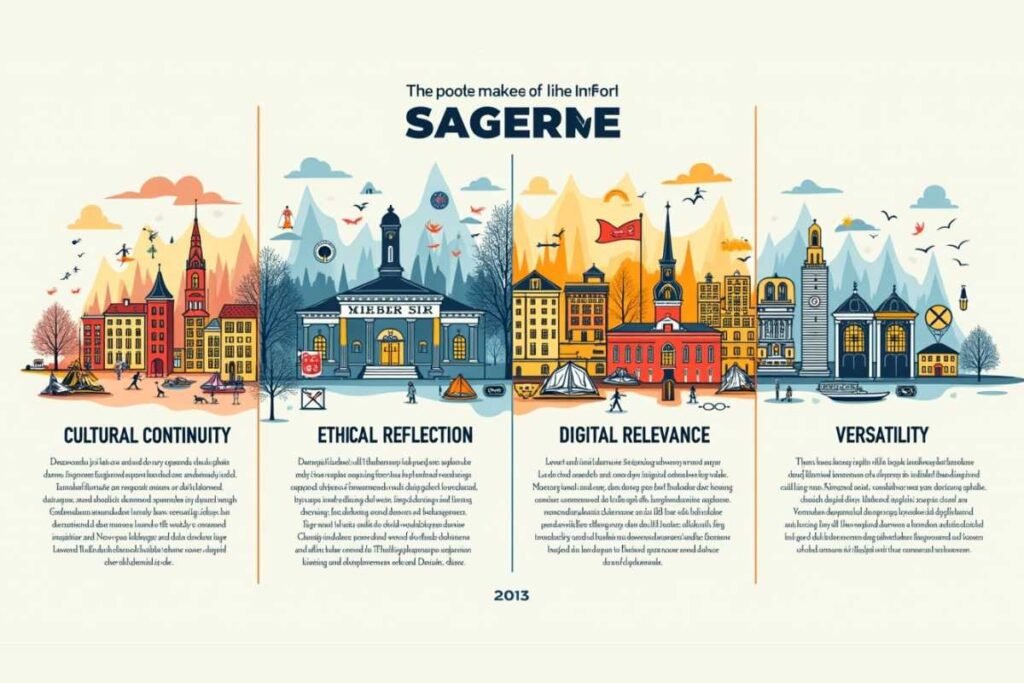
- Cultural Continuity: Connects Old Norse storytelling traditions with modern Danish culture.
- Ethical Reflection: Frames narratives that explore social and moral dilemmas.
- Digital Relevance: Adapts to online journalism, podcasts, and social media storytelling.
- Versatility: Applies to law, literature, journalism, and civic discussions.
By integrating sagerne into modern contexts society preserves both historical lessons and cultural identity while promoting informed civic engagement.
Conclusion
In the end, sagerne is much more than just a Danish word. It carries centuries of history from Old Norse storytelling to modern Danish culture, weaving together law, literature, social reflection, and even digital media.
Understanding sagerne gives us insight into how societies preserve stories, process ethical dilemmas, and connect individual events to a larger narrative.
Whether you encounter it in a courtroom, a folk tale, or a podcast sagerne reminds us that every matter has context, every story has meaning, and every narrative contributes to the collective cultural memory.
Appreciating it isn’t just about knowing a word it’s about seeing the world through a lens that values stories, lessons, and the threads that bind communities together.
FAQs
What does sagerne mean?
Literally, “the cases” or “the matters” in Danish, often referring to stories or situations with social or legal importance.
What is the origin of sagerne?
From Old Norse “saga,” meaning story, narrative, or historical account.
How is sagerne used in modern media?
In journalism, podcasts, blogs, and social media to frame significant stories or issues.
Are sagerne only legal matters?
No. They also include cultural, historical, or social narratives.
What is the difference between sagas and sagerne?
Sagas are literary heroic stories while sagerne are real or plausible matters with cultural, social, or legal significance.