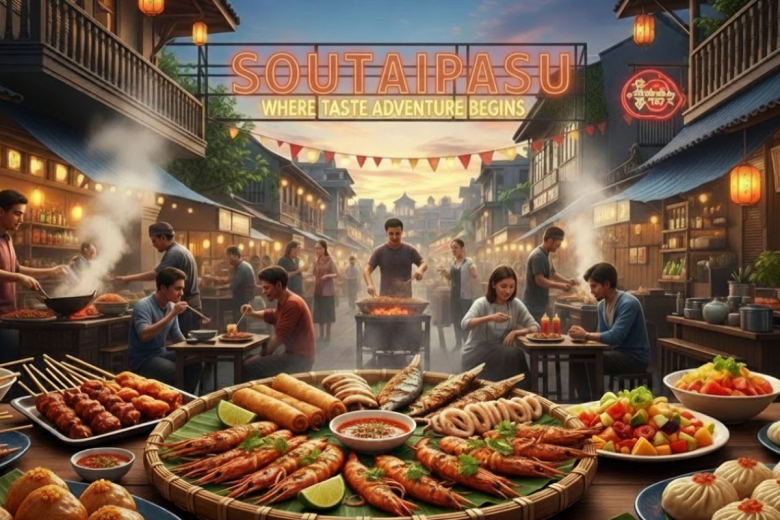
While Japanese cuisine is celebrated globally for its artistry and balance beyond familiar dishes like sushi and ramen lies a distinctive philosophy that blends regional harmony with mindful eating practices. This concept reflects how food in Japan extends beyond flavor, acting as a bridge between geography, tradition and identity.
Travelers, chefs and cultural researchers increasingly encounter this approach when exploring regional Japanese food culture and heritage. At its core this philosophy captures the idea that cuisine must align with nature, seasonality, and local customs.
In a world shaped by fast consumption, it offers a slower more intentional relationship with food. Understanding this concept helps explain why regional Japanese dishes feel purposeful balanced and emotionally connected to place.
What Is Soutaipasu?
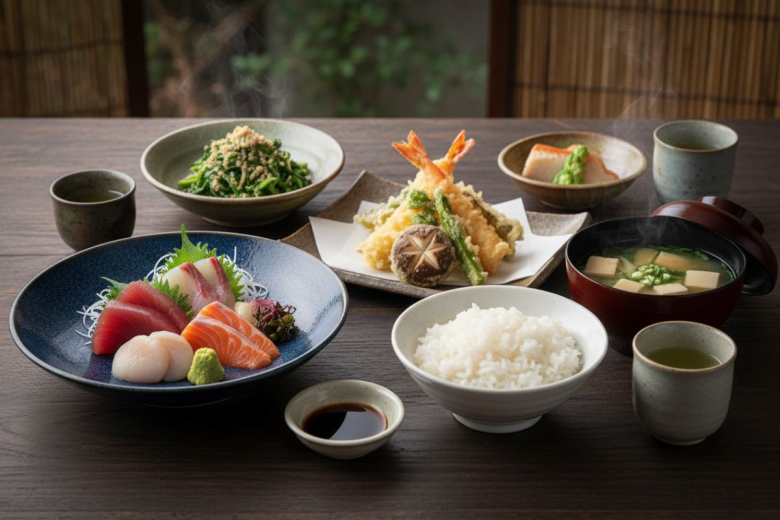
Soutaipasu refers to a Japanese culinary philosophy centered on balance, harmony, and regional identity rather than a single dish or recipe. It represents the relationship between local ingredients, traditional cooking practices and cultural values.
Each region expresses this philosophy differently, shaped by climate, agriculture, and historical influence. Coastal zones prioritize seafood based dishes, whereas mountainous regions depend on preserved vegetables and warming stews to maintain culinary balance.
This approach ensures cuisine remains authentic instead of standardized. As travel and trade expanded between regions techniques spread but were adapted rather than copied. This adaptability is what gave the philosophy its lasting relevance across Japan.
Historical Origins and Cultural Background
The roots of this culinary balance can be traced to ancient Japan where food preparation was deeply influenced by Shinto beliefs and Buddhist principles. Purity, moderation and respect for nature shaped how meals were prepared and shared long before formal culinary systems existed.
During the Edo period regional isolation strengthened local food identities. Communities relied on nearby resources and preservation methods home evolved to match seasonal limitations. This created a sustainable approach to nourishment that balanced availability with nutrition.
When Western influences arrived during the Meiji era, these traditions adapted instead of disappearing. New ingredients were absorbed into regional cuisines without erasing their univercity cultural foundations. This balance between innovation and preservation remains a defining characteristic today.
Regional Identity Across Japan
Japan’s geography plays a critical role in shaping regional food balance. From snowy northern islands to subtropical southern regions climate and environment influence both ingredients and preparation styles.
In Japan’s northern regions, hearty meals with robust flavors are common, often incorporating fermented ingredients, preserved seafood, and nourishing broths to withstand colder climates.
In contrast, southern areas focus on fresh, light dishes, enhanced with citrus, aromatic herbs and quick cooking techniques suited for warmer weather.
These regional adaptations reflect how food responds naturally to its environment, reinforcing local identity rather than imposing uniform taste standards.
Kansai and Kanto: A Study in Contrast!
The contrast between Kansai and Kanto cuisine clearly demonstrates regional balance in action. Kansai favors subtle sweetness, lighter seasoning, refined presentation and especially in Kyoto’s traditional dishes.
Kanto cuisine, centered around Tokyo, leans toward bolder flavors with darker soy sauces and saltier broths. This reflects the region’s historical working class culture and fast paced urban life.
Neither approach is superior. Both represent thoughtful responses to local conditions highlighting adaptability rather than uniformity as the true strength of this culinary philosophy.
The Role of Seasonal Ingredients
Seasonality is one of the most important pillars of Japanese regional cuisine. The concept of shun emphasizes consuming ingredients at their peak flavor and nutritional value. Spring introduces delicate, renewal inspired dishes while summer meals focus on cooling elements.
Autumn brings earthy, seasonal produce, while winter emphasizes warming, comforting recipes and preservation techniques.This seasonal rhythm strengthens the connection between people and nature.
Rather than forcing year-round availability, this approach encourages patience and appreciation for natural cycles, promoting sustainability and mindful consumption.
Cultural Significance Beyond Food
This philosophy extends beyond cooking into social behavior and community values. Meals are shared experiences that emphasize mindfulness, moderation and respect. Presentation and portion size reflect intention rather than excess.
Family gatherings, ceremonies and local festivals carry these values forward using food as a storytelling medium that connects generations. This cultural depth distinguishes the philosophy from purely technical or trend-driven culinary styles.
Even in modern Japan, regional pride and cultural education continue to preserve these principles despite urban convenience driven lifestyles.
Culinary Tourism and Regional Exploration
Japan’s growing food tourism industry has brought global attention to regional cuisine philosophies. Travelers increasingly seek authentic experiences rather than generic restaurant menus.
Local markets, family run eateries, and seasonal festivals allow visitors to engage directly with regional food traditions. These settings emphasize transparency, craftsmanship and cultural connection benefiting local economies while preserving culinary heritage.
Street Food, Markets, and Living Tradition
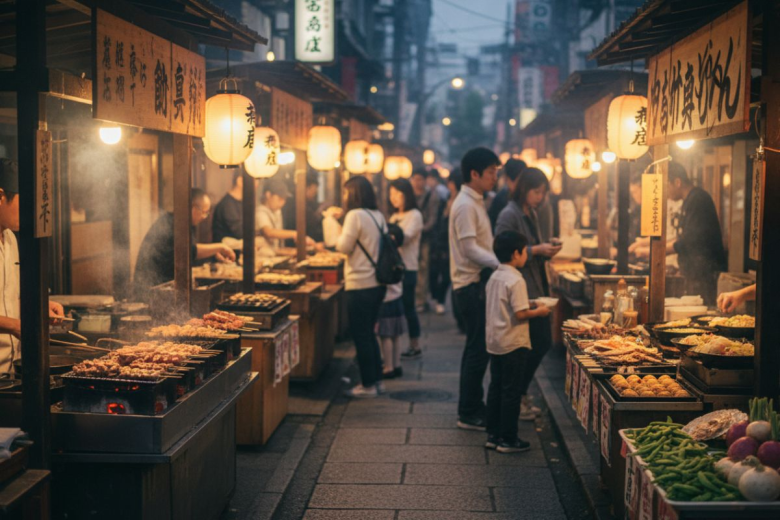
Street food markets represent this philosophy in its most accessible form. Vendors prepare dishes rooted in regional traditions often using recipes passed down through generations.
Markets in cities like Osaka and Kyoto showcase how tradition adapts to modern life without losing authenticity. Ingredients remain local, preparation respects heritage and balance is maintained even in fast paced environments.
Festivals and Seasonal Celebrations
Food festivals play a vital role in preserving regional culinary identity. Seasonal celebrations highlight local specialties while reinforcing community pride and participation.
Winter festivals focus on warming dishes rooted in preservation techniques, while summer events emphasize freshness and shared enjoyment. These gatherings support sustainability by promoting local farmers and producers while passing traditions to younger generations.
Modern Adaptations and Global Influence
Modern chefs continue to reinterpret traditional balance for global audiences. While techniques evolve, the underlying philosophy remains unchanged.
International restaurants increasingly adopt harmony focused approaches, blending flavors thoughtfully rather than excessively. This global influence strengthens cultural relevance while preserving authenticity in an interconnected culinary world.
How Travelers Can Experience It Authentically?
Authentic experiences come from curiosity rather than luxury.The most authentic experiences of soutaipasu can be found in small, locally owned eateries, bustling markets and menus that change with the seasons.
Engaging with chefs, asking about ingredients and following seasonal food calendars reveal regional identity slowly but meaningfully.
Benefits for Modern Lifestyles
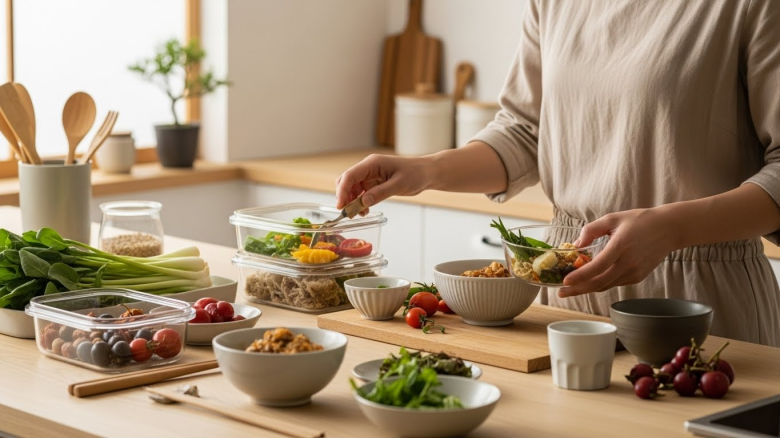
This philosophy offers valuable lessons for modern living. Its emphasis on balance counters overconsumption and burnout. Mindful eating improves health, supports sustainability and fosters emotional connection with food. These principles extend beyond cuisine into everyday decision making and lifestyle choices.
Conclusion
Soutaipasu is more than a culinary term; it is a reflection of Japan’s relationship with nature, culture and balance. Through regional diversity, seasonal awareness and historical continuity, it preserves authenticity in an ever changing world.
Each dish shaped by soutaipasu tells a story of place and purpose. From local markets to fine dining, it continues to guide Japanese food culture with quiet resilience. Its relevance in sustainability, tourism and modern lifestyles proves its enduring value.
Exploring this cuisine is not just about tasting food, it is about understanding harmony. If you seek deeper meaning in cuisine, it offers a timeless path worth exploring.
FAQs
What makes this philosophy different from modern fusion cuisine?
It prioritizes balance and cultural respect while fusion cuisine often focuses on novelty.
Can these principles be applied outside Japanese cooking?
Yes, seasonality and local sourcing apply to any regional food culture.
Is this concept formally taught in culinary schools?
It is usually integrated through regional cuisine studies rather than taught independently.
Does it influence Japanese home cooking today?
Yes, many households naturally follow these principles through seasonal meals.
How does it affect food presentation?
The presentation emphasizes simplicity, natural colors and harmony.
Is it relevant in modern urban life?
Urban restaurants and seasonal menus preserve soutaipasu traditions.
Why do chefs value this philosophy?
It allows creativity while preserving authenticity and balance.