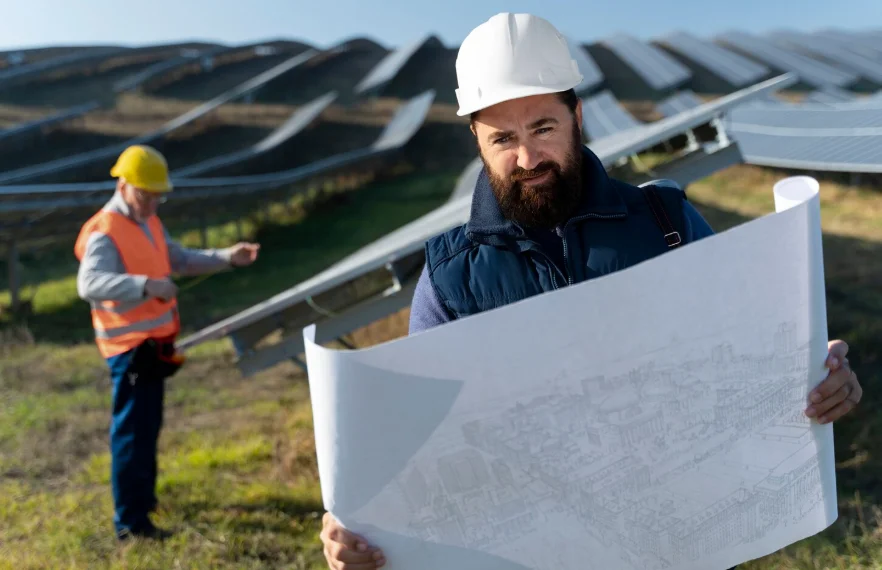
Building a solar farm is a rewarding endeavor that combines environmental stewardship, long-term financial benefits, and innovative technology. As demand for clean energy continues to rise, more developers, landowners, and investors are exploring the potential of commercial-scale solar installations. However, turning an empty stretch of land into a fully functioning solar power facility requires a well-planned, step-by-step process. Here’s a comprehensive roadmap to guide you through building a successful solar farm.
1. Evaluating and Securing the Right Land
Every successful solar farm begins with choosing the ideal site. The land you select should have consistent sunlight exposure, minimal shading, and favorable topography. Flat or gently sloping land is usually best because it simplifies installation and reduces project costs. Soil stability is important too, as it affects the type of mounting system required.
Beyond physical characteristics, logistical considerations also play a role. Proximity to existing transmission lines or substations can significantly reduce interconnection expenses. Access roads for equipment delivery and maintenance should also be evaluated early. Once you confirm the land’s suitability, securing long-term lease agreements or purchasing the land outright is your next step.
2. Conducting Feasibility Studies and Environmental Assessments
Before investing in equipment or design, thorough feasibility studies help determine the project’s viability. These assessments typically include solar irradiation analysis, projected energy output, financial modeling, and a detailed review of local regulations.
Environmental assessments are equally important. Many regions require studies on wildlife impact, water runoff, vegetation, and soil conditions before granting permits. These evaluations not only help you remain compliant with state and federal laws but also ensure you develop a project with minimal environmental footprint.
3. Navigating Permits and Approvals
Solar farms must meet a range of permitting requirements, and these vary by location. Zoning permits, building permits, environmental clearance, and interconnection approvals are among the most common. Engaging with local authorities early in the process can reduce delays and streamline your approval timeline.
Community engagement is also a smart practice. Hosting informational meetings and addressing concerns proactively can lead to smoother permitting and stronger local support.
4. Designing the Solar Farm Layout
Once the land is cleared for development, it’s time to design the system. Engineers and solar designers work together to determine panel placement, row spacing, and mounting structures. The layout must maximize sun exposure throughout the year while minimizing shading between rows.
Important design elements include the selection of panels, inverters, transformers, and monitoring systems. This stage is also where electrical planning is finalized, from how the panels connect to one another to how power will be transmitted to the grid. Proper planning ensures efficient energy production and safe, reliable operation. In many systems, components such as renewable energy cable assembly solutions support the farm’s wiring and power distribution.
5. Procuring Equipment and Choosing Vendors
Quality equipment is essential for long-term performance. Solar panels, inverters, mounting systems, wiring, and monitoring software all vary widely in durability and efficiency. Work with reputable vendors and suppliers with proven track records in utility-scale solar projects.
Requesting multiple bids can help ensure competitive pricing. Additionally, consider lead times—some components, especially specialized electrical or structural parts, may have lengthy delivery windows. Coordinating procurement early helps prevent delays once construction begins.
6. Preparing the Site and Beginning Construction
Construction begins with site preparation. This often involves clearing land, grading the surface, and establishing access roads. Next, mounting structures are installed, followed by the panels themselves. Electrical infrastructure—including conduits, cabling, and inverter stations—is then put in place.
Safety and quality control are top priorities throughout construction. Regular inspections ensure that all components are installed correctly, securely, and in compliance with engineering plans.
7. Testing, Commissioning, and Grid Connection
Once construction is complete, the system undergoes comprehensive testing. Engineers verify that electrical connections are correct, inverters function properly, and monitoring systems communicate as expected. Any issues identified during this stage must be corrected before the system is energized.
After passing inspections, the farm is ready for interconnection. Utility companies complete final testing before granting permission to operate. Once approved, the solar farm begins supplying clean, renewable energy to the grid.
8. Long-Term Operation and Maintenance
A solar farm is built to last decades, but it requires ongoing upkeep to maintain peak performance. Regular inspections, panel cleaning, vegetation management, and monitoring system updates help ensure consistent energy production. Routine maintenance not only extends equipment lifespan but also protects long-term return on investment.
Final Thoughts
Building a successful solar farm is a detailed process that requires careful planning, technical expertise, and strong project management. By following this complete roadmap—from land selection to long-term operation—you can create a solar power facility that delivers reliable, sustainable energy for years to come. Whether you’re motivated by environmental goals, financial opportunity, or both, a well-executed solar farm project is a bright investment in the future.