
With thousands of stories published daily on platforms like Literotica finding the right content can quickly become overwhelming. Readers often search for specific themes, tones, and story dynamics rather than browsing randomly. This is where Literoticatags come into play.
Literoticatags are a structured tagging system used to organize and categorize stories based on genre, themes, character relationships, emotional tone, and niche elements. These tags function like intelligent filters, helping readers discover exactly what they’re looking for while allowing writers to reach the right audience.
In simple terms Literoticatags act as the backbone of content discovery, personalization, and organization within digital erotic fiction platforms.
Understanding Literoticatags: A Definition

At its core Literoticatags refers to a tagging system used within the platform Literotica to organize and categorize user generated stories.
These tags serve as metadata labels that identify key characteristics of a story such as genre theme character roles writing style and plot dynamics.
Just like hashtags on social media or metadata in digital libraries Literoticatags help Pepper0 structure the vast array of content available on the platform.
Why Literoticatags Matter in Online Literature?
The importance of Literoticatags lies in their ability to:
Enhance Content Discovery
With thousands of new stories added daily browsing untagged content can be overwhelming. Literoticatags allow users to filter content based on reader preferences genre specific interests and niche content areas.
Enable Personalization
Tags cater to personal preferences ensuring that users spend more time with stories that align with their tastes. Whether someone is looking for romance fantasy or emotionally driven narratives tags create a seamless route to relevant content.
Support Search Optimization
Proper tagging boosts search engine visibility both within the platform and externally. Accurate tags ensure a story shows up in user searches improving discoverability and potential readership.
Foster Community Engagement
In digital literary communities tags often serve as a starting point for forums fan fiction discussions and reader engagement. Niche topics can develop into thriving subcultures centered around specific tags.
The Benefits of Literoticatags

For Readers
Shorter navigation times better content filtering thematic exploration and more interactive experiences make Literoticatags crucial for an enhanced reader journey.
For Writers
Tagging improves visibility ensures better targeting supports content management and enhances feedback interpretation through interaction with labeled story components.
How Literoticatags Work: A Step by Step Guide!
Step 1: Identify the Core Theme
Determine your story’s main genre and emotional tone. Is it romance, fantasy, slow burn drama, or a character driven narrative? Start with the primary theme before adding detailed tags.
Step 2: Choose Genre-Specific Tags
Select tags that reflect the broader category of your story, such as romance, sci-fi, historical, or workplace drama. These tags help readers navigate general interest areas.
Step 3: Add Plot and Character Dynamics
Include tags that describe important story elements like friends to lovers, forbidden romance, office relationship, or slow burn. These refine search visibility.
Step 4: Think Like a Reader
Ask yourself: What would someone type into the search bar to find this story? Align tags with realistic search behavior.
Step 5: Avoid Over Tagging
Using too many tags can confuse readers and reduce clarity. Aim for 5, 8 highly relevant tags.
Step 6: Update When Necessary
If the story evolves into new themes update the tags to maintain accuracy and long term discoverability.
How Literoticatags Shape Digital Storytelling?
Community Driven Content Curation
Because most tags on Literotica are user generated they reflect community trends conversations and reader engagement. This allows a grassroots form of content categorization that is dynamic and evolving.
Personalized Reader Journeys
The tagging system supports personalized content recommendations. As readers engage more the platform tailors suggestions using semantic networks based on tag history.
Modern Metadata Management
Tags act as metadata that support efficient content labeling, story categorization, and content indexing. This helps in both human readable and AI powered recommendation engines.
Audience Targeting
Through precise tags stories reach targeted fanbases. Whether it’s a story with a literary tone or one focused on identity themes tags help align content with reader expectations.
Common Examples of Literoticatags
To better understand how tags function here are practical examples:
Romance Based Tags:
- Slow Burn
- Friends to Lovers
- Forbidden Relationship
- Long Distance
Fantasy & Sci-Fi Tags:
- Vampires
- Supernatural Beings
- Time Travel
- Alternate Reality
Character Dynamics:
- Age Gap
- Workplace Romance
- Love Triangle
- College Setting
These examples demonstrate how tags provide clarity beyond broad genres.
Literoticatags vs Categories: What’s the Difference!
Many new users confuse tags with categories, but they serve different purposes. Categories are broad classifications such as Romance, BDSM, Fantasy, or LGBTQ+. These are predefined sections within the platform.
Tags, however, provide detailed descriptors. For example:
Category: Romance
Tags: Office Romance, Slow Burn, Forbidden Love, Boss/Employee
While categories organize content at a macro level Literoticatags refine discovery at a micro level. Together they create a layered content taxonomy that improves both browsing and targeted searching.
The Role of Literoticatags in Content Taxonomy
Content taxonomy refers to how stories are grouped based on literary genres writing styles and thematic tags. Literoticatags contribute significantly by organizing content archives and highlighting character archetypes.
Do Literoticatags Affect Search Engine Rankings?
Yes, tagging can indirectly impact visibility beyond the platform itself.
When stories are properly tagged:
- They rank better in internal search results
- They appear in related content sections
- They may be indexed by search engines for long tail queries
- They increase chances of appearing for niche keyword searches
For example a story tagged “Office Romance Slow Burn” may attract users searching for those exact phrases.
This makes Literoticatags not only a content organization tool but also a strategic visibility mechanism.
Common Tagging Mistakes to Avoid
Even though tagging is powerful, mistakes can reduce credibility.
Over-Tagging
Adding too many unrelated tags can mislead readers.
Misleading Tags
Using trending tags that don’t reflect your story damages trust.
Ignoring Niche Tags
Broad tags bring traffic, but niche tags bring engagement.
Failing to Update Tags
If your story direction changes, outdated tags reduce relevance.
Being precise and ethical in tagging strengthens reader loyalty and platform reputation.
Ethics and Responsibility in Tagging
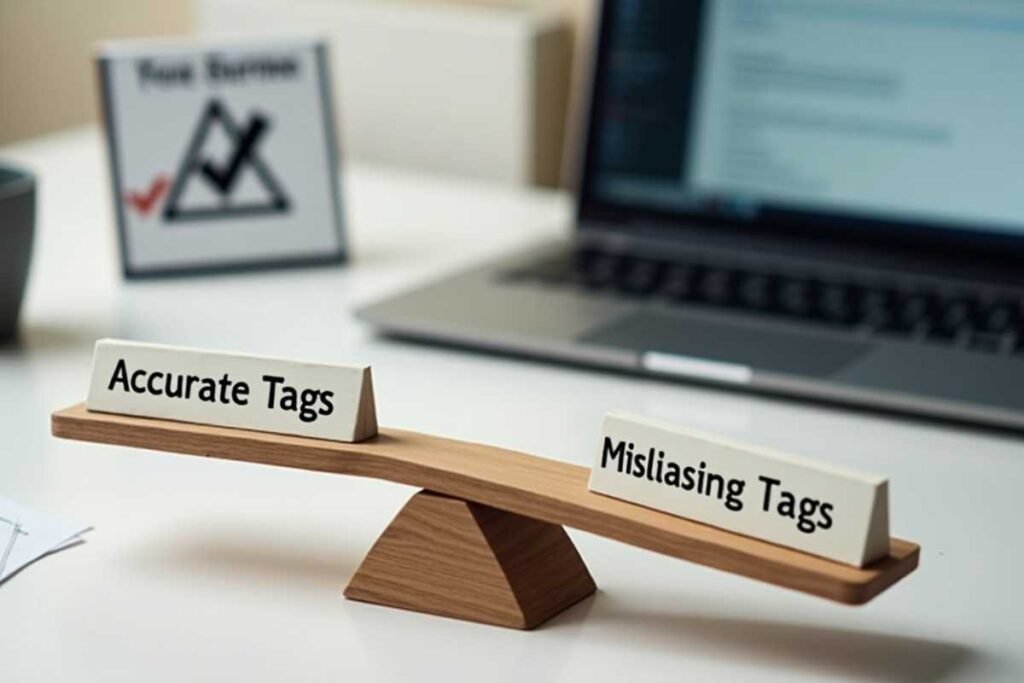
Because tagging affects user experience and discoverability ethical tagging is crucial. Misleading or excessive tags may create confusion harm user trust and lead to negative feedback or flagging.
Writers should always tag truthfully keeping both reader sensitivity and platform guidelines in mind.
Conclusion
So, what is Literoticatags?
It is far more than a simple labeling feature. Literoticatags form a dynamic tagging system that powers discovery, personalization, and targeted storytelling within digital fiction platforms. For readers they simplify navigation and enhance content filtering. For writers they improve visibility, audience targeting, and engagement.
As online storytelling continues to expand intelligent tagging systems like Literoticatags will remain essential for organizing vast content libraries and connecting creators with the right audiences.
Understanding how to use them strategically can significantly improve both reading experiences and publishing success.
FAQs
What is Literoticatags in simple terms?
Literoticatags are descriptive keywords used to categorize stories based on themes, genres, character dynamics, and narrative tone.
How many tags should a story have?
Most platforms recommend using 5–8 highly relevant tags to maintain clarity without overloading the system.
Do Literoticatags improve story visibility?
Yes, accurate tagging improves internal search ranking and increases chances of being discovered through niche searches.
Can incorrect tags hurt engagement?
Yes. Misleading tags can frustrate readers, reduce trust, and negatively affect feedback and interaction.
Are Literoticatags moderated?
Most platforms implement community guidelines and moderation systems to ensure responsible tagging.