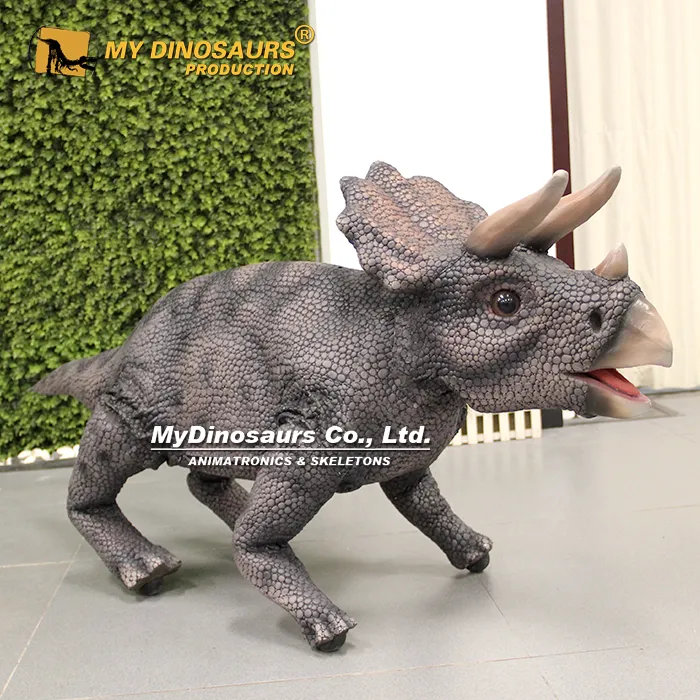
For over a century, museums have relied on visual storytelling to help visitors connect with the distant past. Yet few exhibits generate the same level of excitement as large prehistoric creatures recreated in full scale. Children rush toward towering predators, adults pause in awe, and educators see the perfect opportunity to spark curiosity about Earth’s ancient history. As museum attendance grows globally, institutions continue to search for engaging ways to present science and natural history in ways visitors remember.
This is why the appeal of a life size dinosaur model is so powerful. When guests encounter a replica or reconstruction that matches the massive scale of real prehistoric animals, it becomes easier to imagine how these creatures once lived, moved and interacted with their environments. Size alone makes a dramatic impression, but there are many reasons these displays have such a lasting emotional and educational impact.
The Psychological Impact of Large Scale Exhibits
A Sense of Wonder Created by Sheer Scale
Humans respond instinctively to large objects. In museum settings, full size recreations activate a natural sense of awe that encourages deeper engagement. Visitors often stop longer at large exhibits, take more photos and ask more questions. This emotional response makes learning more enjoyable and increases the chances that information will be remembered long after the visit.
Why scale matters
- Large displays create immediate visual impact
- Visitors perceive large objects as more “real”
- Awe increases attention and curiosity
Immersion Through Physical Presence
A life size dinosaur does more than show what a prehistoric animal looked like. It helps visitors feel physically present in the ancient world. Standing beneath a towering sauropod or next to the open jaw of a theropod makes the experience more vivid than a textbook illustration or digital animation could achieve.
Immersive learning experiences such as these are linked to improved retention, stronger emotional connection and greater interest in scientific subjects.
How Life Size Dinosaurs Enhance Educational Value
A Tangible Connection to Paleontology
Paleontology can feel abstract to many visitors. Bones displayed in cases do not always convey the scale, posture or behavior of long extinct animals. A life size dinosaur model solves this problem by transforming fragmented fossil evidence into a complete, understandable form.
Visitors can learn:
- How dinosaur anatomy supported movement
- How body size related to diet and survival
- How different species coexisted
- How scientific reconstructions are created
Bridging the Gap Between Science and Imagination
Museums aim to inspire curiosity. Large prehistoric models allow guests to explore scientific facts while also feeding their imagination. For children, this fusion of imagination and learning is especially impactful. Studies on educational engagement consistently show that children retain information better when it is paired with emotionally powerful visuals.
Encouraging Interactive Learning
Many modern exhibits integrate digital screens, sound effects, lighting and movement. When paired with a static or animatronic life size dinosaur, these additions help museums teach complex ideas such as:
- Evolution and extinction
- Ecosystems and climate change
- Fossil formation
- Geological time scales
By turning abstract scientific concepts into interactive experiences, museums provide richer learning opportunities.
The Artistic and Scientific Work Behind Museum Displays
Scientific Accuracy
Creating a life size dinosaur model requires collaboration between paleontologists, sculptors, engineers and designers. Fossils, scientific papers and 3D scans are used to reconstruct:
- Skeletal structure
- Muscle placement
- Skin texture
- Posture and movement
High accuracy builds trust in the museum’s scientific mission and ensures visitors receive reliable information.
Material and Construction Techniques
Modern models are often made using:
- Steel armatures for stability
- High density foam or fiberglass for form
- Silicone skins or painted textures for realism
Techniques from film, animation and engineering are applied to produce lifelike displays that withstand long term public interaction.
Comparing Types of Dinosaur Exhibits
| Exhibit Type | Purpose | Key Features | Visitor Impact |
| Static full size models | Educational display | Accurate reconstruction | Awe and curiosity |
| Animatronic dinosaurs | Immersive storytelling | Movement and sound | High engagement |
| Skeleton reconstructions | Scientific study focus | Fossil accuracy | Understanding anatomy |
| Digital or AR exhibits | Interactive learning | Virtual environments | Concept visualization |
Why Museums Prioritize Large Dinosaur Exhibits
Proven Visitor Attraction
Dinosaurs consistently rank among the most popular museum subjects worldwide. Exhibits featuring large models often see increased foot traffic, higher visitor satisfaction scores and longer time spent in galleries.
Reasons for this popularity include:
- Strong cultural fascination with dinosaurs
- Appeal across all age groups
- Media influence from documentaries and films
Opportunities for Thematic Storytelling
A life size dinosaur naturally becomes the focal point of any exhibition space. Museums can build entire educational themes around a single large model, including:
- Habitat displays
- Predator and prey interactions
- Geological changes
- Mass extinction events
Enhanced Marketing Potential
Large prehistoric exhibits offer striking visuals for advertising campaigns, press releases and school program promotions. Their visual power helps museums attract new audiences and encourage repeat visits.
The Role of Technology in Modern Dinosaur Exhibits
Advances in Animatronics
Some life size dinosaurs incorporate motion, sound and breathing effects. Technology allows:
- Realistic synchronized movement
- Audio that mimics vocalizations
- Interactive sensors that respond to visitors
These elements create memorable experiences and help museums stand out.
Augmented and Virtual Reality Integration
AR and VR tools allow museums to expand educational content beyond physical models. Visitors can:
- View dinosaurs in motion
- Explore prehistoric landscapes
- Interact with virtual skeletal structures
This combination of physical and digital engagement appeals to modern audiences.
Lighting and Audio Design
Strategic lighting enhances textures, colors and realism. Audio cues help set the mood of a prehistoric environment, increasing immersion.
Challenges Museums Face When Displaying Life Size Dinosaurs
Space Requirements
Large models require spacious exhibition areas. Ceiling height, traffic flow and safety all influence placement.
Ongoing Maintenance
Frequent cleaning, structural checks and environmental monitoring are required to keep displays in ideal condition.
Balancing Realism and Education
While lifelike appearance is important, accuracy must remain the priority. Museums must balance artistic interpretation with scientific evidence.
Why Life Size Dinosaurs Will Continue Captivating Audiences
Timeless Fascination
Dinosaurs spark interest across generations. Their size, mystery and dramatic history make them universally appealing. As long as museums aim to inspire curiosity, large prehistoric exhibits will remain essential.
Growing Demand for Experiential Learning
Visitors increasingly expect immersive educational experiences. Life size dinosaur models satisfy this demand by offering visual impact and scientific value at the same time.
Future Innovations
Advances in materials, robotics, lighting and digital integration will make future displays even more realistic. Museums will continue to experiment with interactive storytelling, bringing ancient worlds to life in new ways.
Conclusion
Life size dinosaurs remain some of the most captivating elements in museums because they offer a rare combination of emotional impact, educational depth and scientific authenticity. Their enormous scale immediately captures attention, while their accurate reconstruction helps visitors understand what life on Earth looked like millions of years ago. Through careful design, technological integration and scientific collaboration, these models transform museum spaces into immersive learning environments that engage visitors of every age.
As museums continue to embrace experiential education, full scale prehistoric creatures will play an increasingly important role in storytelling, research and public engagement. Their enduring appeal proves that when science and imagination come together, learning becomes an unforgettable experience.