Introduction
Over the past decade, technology has dramatically transformed the world of sports. Traditional coaching methods, physical training, and instinct-based strategies are now being supported by advanced data analytics. Teams and sports organizations increasingly rely on performance data to make smarter decisions, evaluate athletes more accurately, and gain a competitive edge.
From football and tennis to baseball and basketball, modern sports are becoming more analytical than ever before. Coaches, analysts, and fans now have access to deeper insights that help explain how games are won, how players improve, and how strategies evolve.
The Growing Importance of Sports Analytics
Sports analytics has become a crucial part of professional athletics. Teams collect massive amounts of data during training sessions and competitive matches. This information includes player movements, scoring patterns, reaction times, and tactical positioning.
By studying these metrics, coaches can identify patterns that were once impossible to notice during live gameplay. For example, football teams analyze passing networks, while tennis coaches study shot placement and rally statistics to better understand a player’s strengths and weaknesses.
This analytical approach allows teams to create more effective strategies and improve overall performance.
How Different Sports Use Data for Performance Improvement
While the use of data analytics is growing across all sports, each sport uses it in unique ways.
In football and soccer, tracking systems monitor player movement throughout the entire match. This helps teams understand how much distance players cover and how their positioning affects game outcomes.
Tennis professionals rely heavily on serve speed, shot accuracy, and rally duration data to improve their game strategies. These insights allow players to identify areas that require improvement and develop more effective playing styles.
Similarly, baseball and basketball organizations use statistical models to evaluate player efficiency and predict performance trends across different seasons.
In American football, analytics is also helping teams evaluate emerging talent entering the league. Analysts often examine reports related to NFL rookie development to understand how young quarterbacks and other rising players adapt to professional systems and perform under new coaching strategies
Technology and Real-Time Performance Tracking
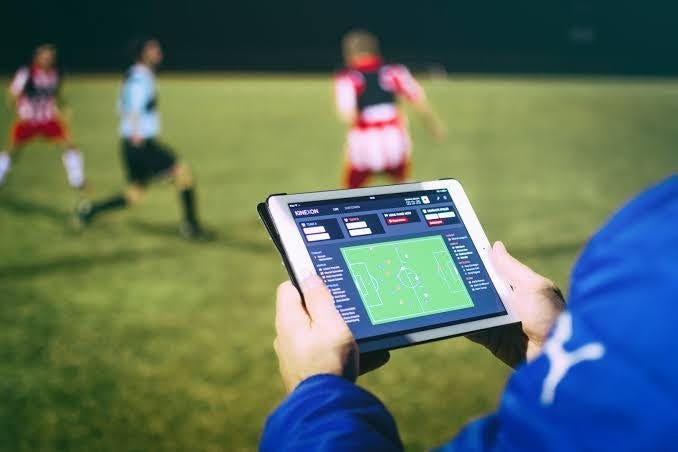
Modern sports organizations now use advanced technology such as wearable sensors, GPS trackers, and video analysis tools. These technologies collect real-time data that can be analyzed instantly by coaching staff and performance analysts.
Real-time tracking allows coaches to monitor player fatigue, prevent injuries, and make strategic adjustments during matches. As a result, athletes can train smarter rather than simply training harder.
This technological integration has created a new era in sports where decisions are increasingly based on scientific analysis rather than intuition alone.
In professional hockey, advanced data models are also used to evaluate team strategies and roster decisions. Analysts closely follow trends within the NHL trade market to understand how player contracts, transfers, and team depth influence performance during the season
The Role of Data in Athlete Development
Another major benefit of sports analytics is its role in athlete development. Young athletes can now receive personalized training programs based on their performance metrics.
By analyzing detailed statistics, coaches can identify areas where a player needs improvement. This could include speed, endurance, decision-making, or technical skills.
These insights help athletes reach their full potential while reducing the risk of injuries caused by overtraining or improper techniques.
The Future of Data-Driven Sports
As technology continues to evolve, the role of analytics in sports will become even more important. Artificial intelligence and machine learning are already being used to analyze complex datasets and predict future performance trends.
In the coming years, sports organizations will rely even more on data to improve team strategies, recruit talented athletes, and enhance fan engagement through deeper insights into the game.
The combination of sports expertise and advanced analytics is expected to shape the future of athletics in ways that were unimaginable just a decade ago.
Conclusion
Data analytics has revolutionized the way sports teams prepare, compete, and evaluate performance. From football and tennis to baseball and basketball, data-driven insights now play a vital role in modern athletic success.
As sports technology continues to advance, teams that effectively utilize analytics will gain a significant advantage in an increasingly competitive environment. The future of sports is not only about talent and training but also about understanding the powerful insights hidden within performance data.